In a world where creativity meets technology, the fusion of arts and audio/video communications sparks innovation like never before. Imagine a place where your favorite movie scenes come alive, and those catchy tunes you can’t get out of your head are crafted with precision. It’s not just about entertainment; it’s about connecting people and ideas in ways that were once the stuff of dreams.
Table of Contents
ToggleOverview of Arts, Audio/Video Technology and Communications
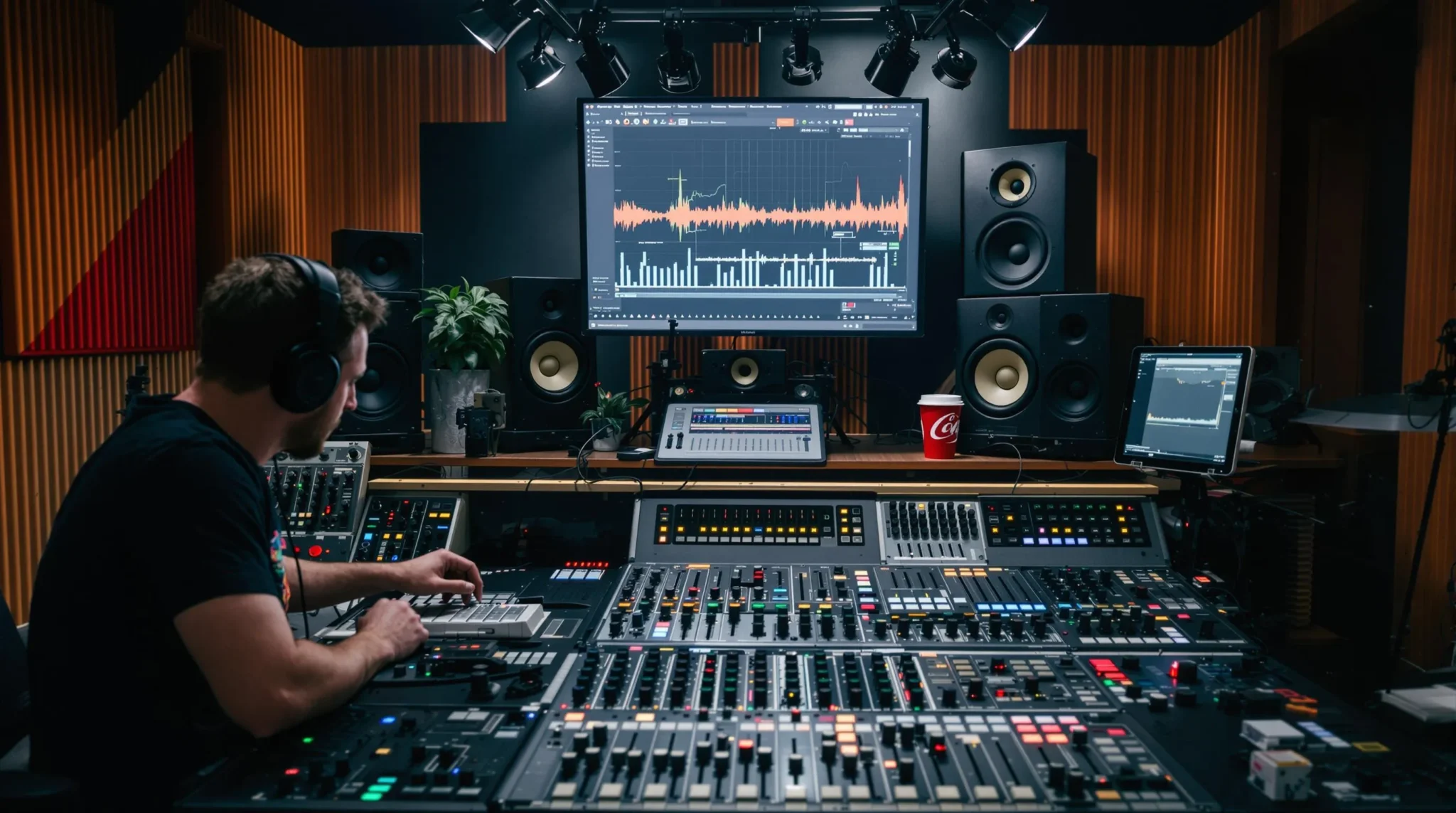
Arts, audio/video technology, and communications represent a dynamic landscape where creativity embraces innovation. This sector leverages advanced tools and platforms to enhance artistic expression and reach wider audiences. Filmmakers utilize digital editing software to craft compelling narratives, while musicians get access to sophisticated recording equipment to elevate their sound quality.
Visual artists benefit from digital mediums that allow for unique forms of expression. Technologies like virtual reality create immersive experiences, transforming traditional art exhibitions into interactive showcases. Artists share their work through online platforms, bridging geographical divides and connecting with global audiences.
Audio/video communications serve vital roles in various industries. Businesses incorporate these technologies for presentations and promotions, amplifying their messages. Educators use video conferencing tools to facilitate learning, ensuring consistent access to knowledge regardless of location.
The integration of technology in arts elevates collaboration opportunities. Musicians, filmmakers, and visual artists collaborate across platforms, resulting in innovative projects that merge different art forms. Film festivals and online exhibitions highlight these collaborations, showcasing the new possibilities that arise when diverse talents converge.
Data-driven approaches further shape this field. Analytics tools assess viewer engagement, enabling creators to refine their strategies and content. Real-time feedback allows artists to adapt their work to audience preferences, enhancing overall impact.
The fusion of arts, audio/video technology, and communications generates a vibrant environment that not only entertains but also inspires connections and conversations. As this field continues to evolve, opportunities for creativity and collaboration expand, enriching both artistic experiences and communications.
The Role of Arts in Communication
Arts play a crucial role in communication by serving as a medium for expressing ideas, emotions, and narratives. This connection impacts how people understand and interact with each other across cultures.
Visual Arts and Storytelling
Visual arts enhance storytelling by using images to convey complex narratives. Artists create powerful visuals that evoke emotions and provoke thought. Paintings, photographs, and digital media combine to tell stories that resonate throughout communities. For example, street art often reflects social issues, inviting dialogue among viewers. Additionally, graphic novels and illustrations can engage audiences in unique ways, merging text with visuals to provide deeper context. This synergy allows artists to address themes like identity, belonging, and conflict, making complex ideas accessible to broader audiences.
Performing Arts and Audience Engagement
Performing arts engage audiences through live experiences that foster connection. Theatre, dance, and music create an atmosphere that captivates and moves spectators. Performers utilize body language, vocal expression, and movement to communicate messages that resonate emotionally. Interactive performances invite audience participation, strengthening the bond between artists and viewers. Events like live concerts or community plays create shared experiences, sparking discussions and reflections among attendees. In addition, outreach programs introduce performing arts to diverse populations, expanding access and enriching communities through the power of shared stories.
Evolution of Audio/Video Technology
Audio and video technology has transformed significantly over the decades, impacting how creators express ideas and engage audiences. This evolution mirrors advancements in technology and creative practices.
Historical Developments in Media
Early media relied on analog systems. The invention of the phonograph in 1877 marked a pivotal moment in sound recording. Film developed through silent movies, then transitioned to talkies in the late 1920s. Color television arrived in the 1950s, revolutionizing visual media consumption. The 1980s brought home video technology, allowing consumers to enjoy films at home. Digital media emerged in the late 1990s and early 2000s, leading to a rapid shift in production and distribution methods.
Current Trends in Audio/Video Technology
Current trends indicate a focus on high-definition and immersive experiences. Streaming services dominate how audiences access content. Virtual reality and augmented reality enhance viewer engagement, offering interactive elements. Cloud-based platforms facilitate collaboration among creators, irrespective of location. Innovations in artificial intelligence streamline editing processes and content creation. Emerging formats like 360-degree video provide novel ways for storytelling. Overall, technology continues to reshape audio and video landscapes, driving creativity and connection.
Impact on Communication
Arts, audio/video technology, and communications significantly enhance interactions. This integration encourages more engaging and immersive experiences.
Enhancing Interaction Through Multimedia
Multimedia platforms offer diverse ways to convey messages. Artists and creators utilize videos, animations, and sound to captivate audiences. Each medium enhances storytelling, making complex ideas more accessible. Gamified experiences and interactive installations invite audience participation and foster deeper connections. Social media serves as a powerful tool for sharing art and videos, enabling real-time dialogue between creators and their audiences. Creators also analyze feedback and engagement data to refine their approach, ensuring messages resonate effectively.
The Future of Communication in the Arts
Emerging technologies reshape communication in the arts. Innovations like virtual reality and augmented reality provide interactive engagement that surpasses traditional boundaries. Artists leverage these tools to craft experiences that transport audiences, fostering a sense of presence and immediate connection. Data analytics empowers artists to tailor content to audience preferences, enhancing discoverability and interaction. Collaborative platforms enable musicians and filmmakers to co-create across distance, broadening artistic possibilities. As technology evolves, the potential for innovative expressions and shared experiences continues to expand, transforming how art communicates.
Challenges and Considerations
Navigating the intersection of arts, audio/video technology, and communications presents various challenges that require careful consideration.
Ethical Implications
Ethical implications arise when creators blend technology with artistic expression. Artists must consider issues like copyright infringement, which can affect original works. Misuse of digital media also poses risks, as it can misrepresent the artist’s intent. Transparency regarding data collection and usage stands crucial, especially when employing analytics tools. Creators must evaluate privacy concerns linked to audience interaction and engagement. Inclusivity is another essential factor; creating content that resonates with diverse demographics fosters a more equitable artistic landscape.
Accessibility in Arts and Technology
Accessibility remains a key consideration within arts and technology. Artists face the challenge of ensuring their works appeal to individuals with varying abilities. Implementing assistive technologies enhances engagement for people with disabilities, making experiences more inclusive. Clear communication strategies further support diverse audiences, encouraging participation regardless of language or experience levels. Organizations and creators should prioritize developing platforms that accommodate multiple formats, ensuring broad access to artistic content. Addressing these factors can lead to a richer, more diverse artistic community.
The fusion of arts, audio/video technology, and communications creates a dynamic landscape that enriches both creators and audiences. This integration not only enhances artistic expression but also fosters meaningful connections across diverse communities. As technology continues to evolve, artists gain access to innovative tools that push creative boundaries and engage viewers in immersive experiences.
The ongoing dialogue between technology and the arts is crucial for addressing ethical considerations and ensuring inclusivity. By embracing these challenges, creators can craft impactful narratives that resonate with a broader audience. The future promises even greater possibilities for collaboration and expression, making it an exciting time for artists and audiences alike.