In a world where everyone’s a content creator, mastering arts audio/video technology and communications isn’t just a nice-to-have; it’s a must-have. Imagine transforming mundane moments into cinematic masterpieces with just a few clicks. Whether it’s capturing the perfect soundbite or crafting visuals that pop, these skills open doors to creativity and innovation.
But let’s be real—navigating the tech jungle can feel like trying to assemble IKEA furniture without instructions. Fear not! This guide will break down the essentials, making it easier to harness the power of audio and video. So grab your headphones and get ready to elevate your artistry, because the only thing standing between you and your creative genius is a little know-how.
Table of Contents
ToggleOverview of Arts Audio/Video Technology and Communications
Arts audio/video technology and communications play a crucial role in shaping contemporary creative expression. Understanding these technologies enhances creative output and increases engagement with audiences. A variety of tools enable artists to produce high-quality content that entertains and informs.
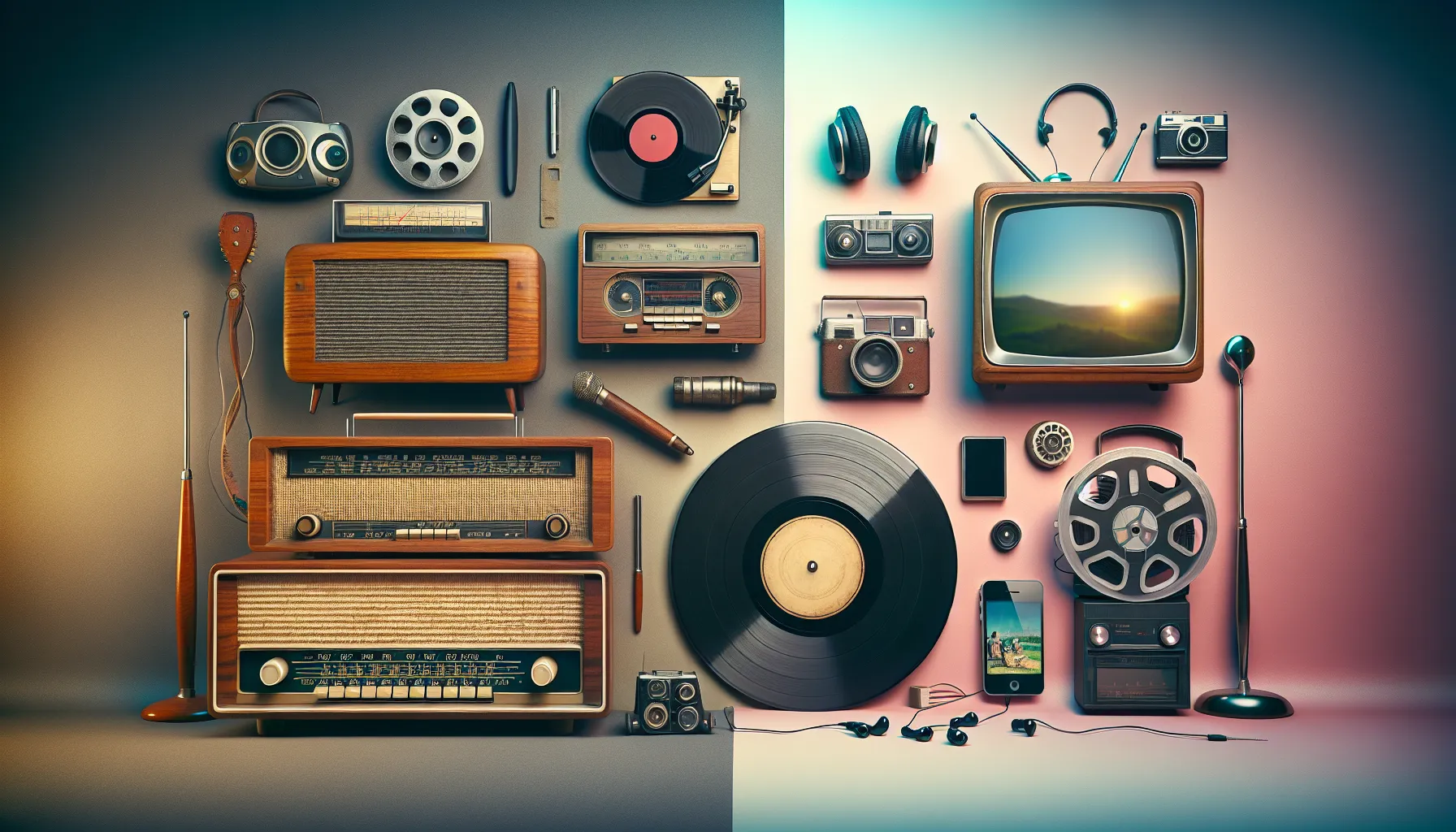
Audio technology involves equipment such as microphones, mixers, and software for sound editing. Video technology includes cameras, lighting, and editing software to create visually stunning pieces. The integration of these technologies allows for immersive experiences that capture attention.
In addition to technical skills, knowledge of communication strategies enhances the effectiveness of audio and video projects. Effective storytelling through audio and video can convey emotions and spark interest. This combination helps artists connect with their audiences on a deeper level.
Emerging trends in arts audio and video communication include virtual reality and live streaming. These innovations provide new platforms for artistic creation and dissemination. Artists leveraging these modern techniques gain competitive advantages in a saturated market.
Collaboration among professionals enhances the richness of audio and video projects. Graphic designers, musicians, and writers can work together to elevate creative endeavors. This teamwork leads to unique and impactful multimedia productions.
With continuous advancements in technology, artists must stay informed about new tools and techniques. Adapting to changes in the industry supports ongoing growth and creativity. Mastering arts audio/video technology is essential for anyone looking to thrive in today’s content-driven landscape.
Key Components of Audio/Video Technology
Audio and video technology consists of essential tools and equipment that enhance creative expression. Understanding these components empowers artists to produce compelling multimedia content.
Audio Technology
Microphones capture sound, ensuring clarity and quality in recordings. Various types of microphones exist, from dynamic to condenser, each offering unique benefits for different situations. Mixers allow for precise audio control, enabling artists to adjust levels and effects. Equalizers help filter frequencies, enhancing sound clarity. Speakers distribute audio output, bringing the production to life for the audience. Recording software, such as DAWs (Digital Audio Workstations), provides artists with tools for editing and refining audio tracks, offering endless creative possibilities.
Video Technology
Cameras represent the foundation of video production, with resolutions ranging from HD to 4K and beyond for stunning visuals. Lighting equipment plays a crucial role, enhancing images and setting the desired mood for scenes. Tripods and gimbals stabilize footage, ensuring smooth movement during recording. Editing software allows artists to cut, arrange, and enhance video clips, facilitating storytelling in a visually engaging manner. Additionally, screen capture tools enable the creation of tutorials and demonstrations, expanding the scope of video projects. Together, these components form a cohesive system that elevates video production quality.
Impact on Communication in the Arts
Audio and video technology plays a crucial role in communication within the arts. These tools deepen connections between artists and their audiences.
Enhancing Artistic Expression
Innovative audio and video technology make artistic expression more dynamic. Microphones capture nuances in sound, allowing musicians to convey emotions effectively. Cameras enable visual storytellers to create engaging narratives, enriching viewer experiences. Advanced editing software allows artists to refine their work, enhancing clarity and impact. By integrating these technologies, artists discover new dimensions of creativity that push boundaries.
Fostering Collaboration
Collaboration thrives through the use of audio and video technology. Musicians can work with graphic designers to create cohesive visual and auditory experiences. Video editors enhance performances by integrating different artistic elements seamlessly. Artists leverage communication platforms for feedback and brainstorming, building a supportive network. By fostering collaboration among diverse professionals, multimedia projects can achieve greater depth and resonance. This interconnectedness stimulates creative growth and enriches the overall artistic landscape.
Emerging Trends in Arts Audio/Video Technology
Understanding emerging trends in arts audio/video technology enhances creativity and audience engagement. Artists increasingly leverage innovative mediums for dynamic expression.
Virtual Reality and Augmented Reality
Virtual reality (VR) and augmented reality (AR) redefine artistic experiences. Artists use VR to immerse audiences in fully interactive environments. Digital artwork transforms into three-dimensional spaces, enabling deeper emotional connections. AR overlays digital content onto the real world, enriching viewer interaction with animations or additional information. These technologies expand storytelling methods, offering artists unique tools to explore and engage. By embracing VR and AR, creators can elevate presentations and redefine audience relationships.
Streaming Services and Online Platforms
Streaming services and online platforms reshape how audiences access and experience art. Creators use platforms like YouTube and Vimeo to share their work globally. Live streaming expands possibilities, allowing artists to engage real-time with audiences and create an interactive environment. Artists leverage these platforms for promotion, reaching wider demographics and nurturing community. Data shows that interactive streams draw more viewer engagement, fostering loyalty and participation. With continual advancements in technology, artists adapt their methods, ensuring their presentations remain relevant and impactful.
Mastering arts audio/video technology and communications is vital for anyone looking to thrive in the creative landscape. As technology continues to evolve artists must adapt and embrace these tools to enhance their storytelling capabilities. The integration of innovative platforms like VR and AR offers exciting opportunities for deeper audience engagement and immersive experiences.
By collaborating with other creatives and utilizing a variety of tools artists can push the boundaries of their work. Staying informed about emerging trends ensures that they remain competitive and relevant. Ultimately the journey through audio and video technology not only enriches artistic expression but also strengthens the connection between creators and their audiences.