
In a world where silence is golden but soundtracks are everything, audio and visual technology reign supreme. Whether it’s the thumping bass of a concert or the crisp visuals of a blockbuster movie, these tools transform ordinary experiences into extraordinary adventures. It’s like having a front-row seat to life’s greatest performances—minus the overpriced popcorn.
Overview of Audio and Visual Technology
Audio and visual technology encompasses tools and systems that enhance the way people consume media. Audio systems include speakers, microphones, and sound mixers that improve sound quality, creating immersive experiences. Visual technologies, such as projectors and displays, deliver stunning images, enriching everything from presentations to home theaters.
Integration of audio and visual systems provides seamless interaction for users. Modern advancements include smart devices that sync with other technologies, enabling users to control their environments through applications. Significant innovation has arisen in streaming services, allowing people to access high-quality audio and video content easily.
Collaboration tools enhance communication through high-definition video and crystal-clear audio. In professional settings, conference rooms equipped with such technology facilitate effective meetings and presentations, increasing productivity. Consumers expect superior sound and visuals, driving demand for the latest technologies.
Educational institutions leverage audio and visual tools to enhance learning experiences. Multimedia presentations engage students more effectively, fostering better retention of information. The rise of online learning platforms further underscores the importance of clear audio and visuals in remote education.
Entertainment value continues to grow with developments in audio and visual technology. Virtual reality games immerse players in interactive environments, bringing new levels of engagement. Home theaters equipped with surround sound and high-definition displays transform movie nights into cinematic experiences.
Overall, audio and visual technology plays a pivotal role in many aspects of life. Its influence spans entertainment, education, and professional fields, effectively enhancing everyday experiences. As technology continues to evolve, so does its capacity to create more dynamic and engaging environments.
Key Components of Audio and Visual Technology
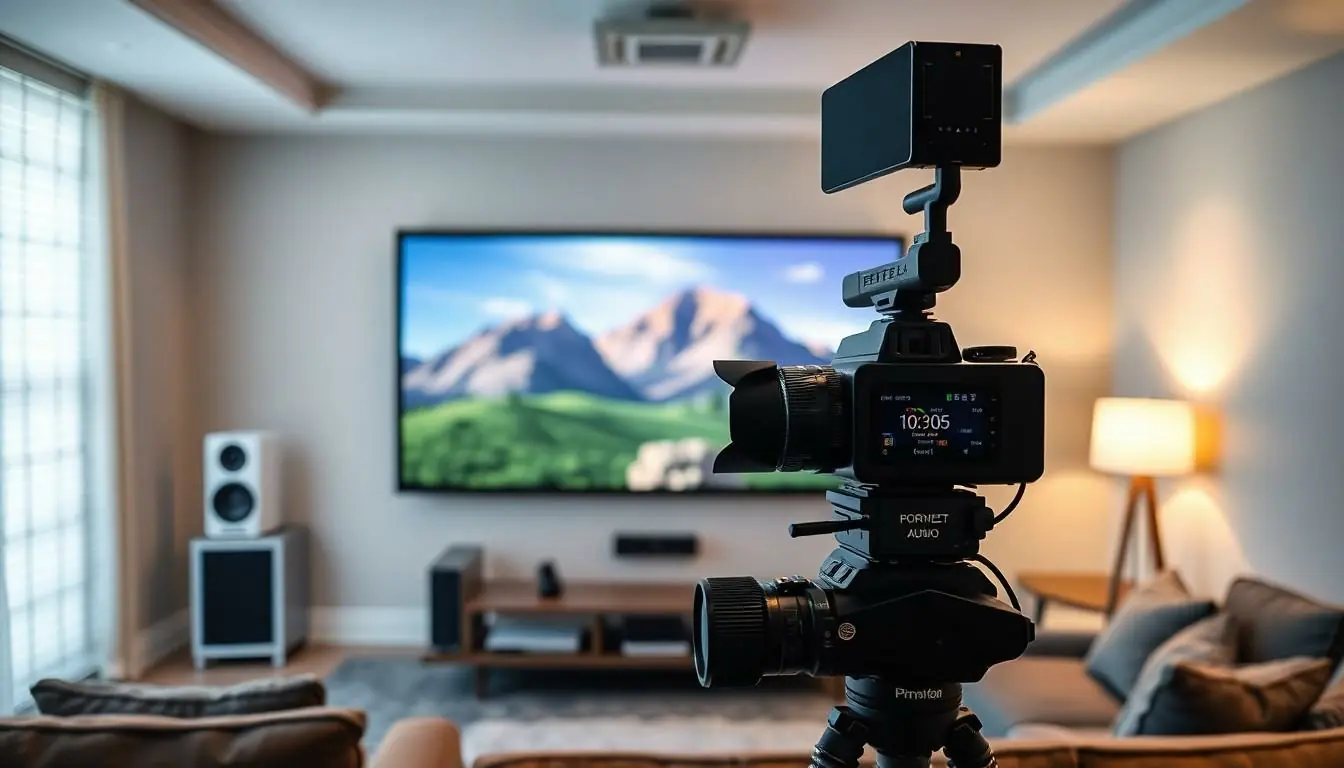
Audio and visual technology consists of essential components that work together to enhance media consumption and communication. Understanding these components clarifies their impact on our daily lives.
Audio Equipment
Speakers serve as crucial elements in audio systems, providing clear sound output for various environments. Microphones capture sound, ensuring quality input for recording and communication. Amplifiers boost audio signals, enhancing clarity and volume. Sound mixers allow users to adjust audio levels for optimal balance, creating a seamless auditory experience. High-fidelity headphones deliver detailed sound directly to the listener, making them ideal for personal enjoyment. Various types of audio equipment collaborate to ensure that users experience rich and immersive sound quality across different formats and settings.
Visual Equipment
Projectors bring images to life on large screens, transforming spaces into venues for presentations or entertainment. Displays, such as LED and OLED screens, deliver sharp images and vibrant colors, enhancing visual enjoyment. Cameras capture high-resolution videos and images, playing a vital role in content creation and live streaming. Video conferencing tools facilitate clear communication through high-definition video, making remote interactions more engaging. In addition, smart TVs integrate streaming services, providing a comprehensive entertainment experience in homes. Collectively, these visual technologies contribute to creating captivating environments that elevate audience engagement.
Innovations in Audio and Visual Technology
Innovations continually reshape audio and visual technology, enhancing user experiences across various platforms.
Streaming Services
Streaming services transformed how people consume media. Platforms like Netflix, Hulu, and Spotify deliver content directly to devices, eliminating the need for traditional broadcasting. High-definition and 4K streaming options deliver exceptional picture clarity, contributing to immersive viewing experiences. Adaptive bitrate streaming automatically adjusts quality based on internet speed, ensuring uninterrupted playback. Interactive features allow users to engage with content through personalized playlists and recommendations. As a result, these services not only provide convenience but also foster a diverse range of content tailored to individual preferences.
Smart Devices
Smart devices play a critical role in integrating audio and visual technology into daily life. Products like smart speakers and intelligent displays facilitate voice control and automation, allowing seamless interaction. Features like multi-room audio create synchronized sound across various spaces, enhancing home entertainment. Connectivity with IoT devices expands possibilities, promoting a unified smart home experience. These advancements enable users to customize settings and control environments effortlessly. With smart devices, the boundaries between technology and everyday life blur, making entertainment more accessible and enjoyable.
Applications of Audio and Visual Technology
Audio and visual technology finds extensive applications in various sectors, significantly enhancing experiences and outcomes.
Entertainment Industry
The entertainment industry heavily relies on audio and visual technology to create captivating experiences. High-definition audio systems deliver immersive sound quality during concerts and movie screenings. Visual advancements such as 4K and 8K resolutions provide stunning imagery for audiences. Virtual reality applications offer unique, interactive experiences that engage viewers. Streaming platforms utilize adaptive bitrate technology to ensure smooth playback across devices, enhancing viewer satisfaction. Additionally, home theater systems allow users to replicate cinematic experiences in their living rooms, making entertainment more accessible.
Education Sector
In the education sector, audio and visual technology transform traditional learning methods. Engaging multimedia presentations capture student attention and facilitate deeper understanding. Interactive whiteboards encourage participation during lessons, making them more dynamic. High-definition video conferencing tools enable real-time collaboration for remote learning, breaking geographical barriers. Students benefit from recorded lectures and online resources, which enhance information retention. Moreover, tech-driven gamified learning experiences promote enthusiasm and motivation in classrooms, fostering a collaborative environment that encourages exploration and discovery.
Future Trends in Audio and Visual Technology
Emerging trends in audio and visual technology signal transformative changes across multiple sectors. Artificial intelligence integrates seamlessly with audio systems, enabling personalized sound experiences that adapt to user preferences. Virtual reality continues to evolve, offering users immersive environments that enhance entertainment and training.
Augmented reality enhances interactions by overlaying digital information in real-world settings. This technology finds applications in various fields, from retail display enhancements to education tools that foster deeper learning experiences. Interactive interfaces, powered by smart technologies, facilitate user engagement in ways previously unimaginable.
Advancements in spatial audio create immersive soundscapes. These sound systems replicate real-world audio dynamics, enhancing experiences in both entertainment and professional settings. High dynamic range (HDR) video becomes a standard, elevating visual content through richer colors and improved contrast.
Streaming technologies evolve further, allowing for instant access to high-quality content. Providers now implement advanced codecs that optimize data transfer without sacrificing quality. Enhanced cloud services support these developments, providing scalable solutions for content delivery and storage.
Collaboration tools play an increasing role in remote work environments, making high-definition video and audio crucial for effective communication. As hybrid work becomes the norm, the demand for seamless integration of audio and visual tech in conference settings grows. Automation features streamline user controls, creating intuitive environments in homes and workplaces.
Data security in audio and visual technology deserves attention. Users now expect robust protection for personal information and content. This drives innovation in encryption techniques and secure transmission protocols.
With these trends, the future holds exciting possibilities. Audio and visual technology will continue to reshape how individuals consume media and interact with their surroundings, enhancing daily experiences in profound ways.
Audio and visual technology is undeniably transforming everyday experiences into something extraordinary. Its integration into daily life enhances not only entertainment but also education and professional communication. As advancements continue to emerge, users can expect even more immersive and engaging interactions with their environments.
The evolution of these technologies fosters a seamless blend of sound and visuals that captivates audiences and enhances productivity. By embracing these innovations, individuals and organizations can unlock new levels of creativity and connection, making audio and visual technology an essential part of modern life.