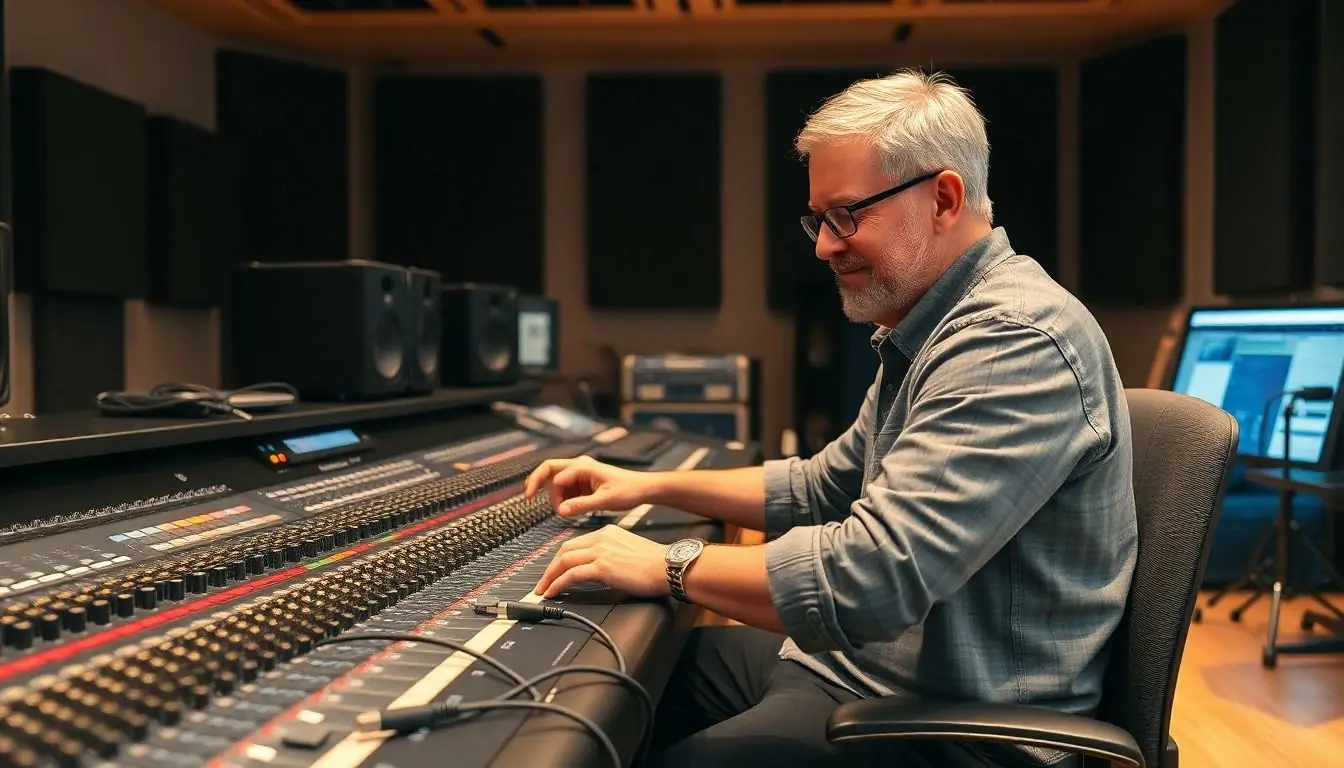
In a world where audio can make or break an experience, balanced audio technology emerges as the unsung hero of sound quality. Imagine listening to your favorite tunes without the annoying crackles or that pesky imbalance that makes you feel like you’re stuck in a one-sided conversation. Balanced audio is here to save the day, ensuring every note hits just right, whether you’re jamming out in your living room or perfecting your podcasting setup.
Overview of Balanced Audio Technology
Balanced audio technology significantly improves sound quality in various applications. This approach uses a different method to transmit audio signals, specifically reducing noise and interference during transmission. By employing a configuration with two identical signals, balanced audio minimizes any disturbances picked up along the way.
In professional settings, balanced audio finds application in studio recording, live sound reinforcement, and broadcasting. Equipment such as microphones, mixers, and cables often operate under this technology. Balanced lines typically utilize XLR or TRS connectors, enhancing durability and connectivity across devices.
Noise reduction emerges as a primary advantage, allowing audio professionals to maintain clarity even in settings with significant electromagnetic interference. Balanced technology also supports longer cable runs, often exceeding 100 feet while preserving audio integrity. For instance, in large venues, musicians can connect their instruments to sound systems without compromising quality.
Audiophiles benefit from balanced audio too, as it delivers greater detail in recordings. This enhanced detail translates to a richer listening experience, where every frequency is articulated more accurately.
Listeners observe that balanced systems also allow for higher volume levels without distortion. This characteristic proves important for both casual listeners and professionals who depend on reliable sound reproduction.
When evaluating balanced audio systems, it’s essential to consider not just the technical aspects but also compatibility with existing equipment. Ensuring a seamless integration contributes to overall sound performance, providing an enjoyable experience for everyone involved.
Benefits of Balanced Audio Technology
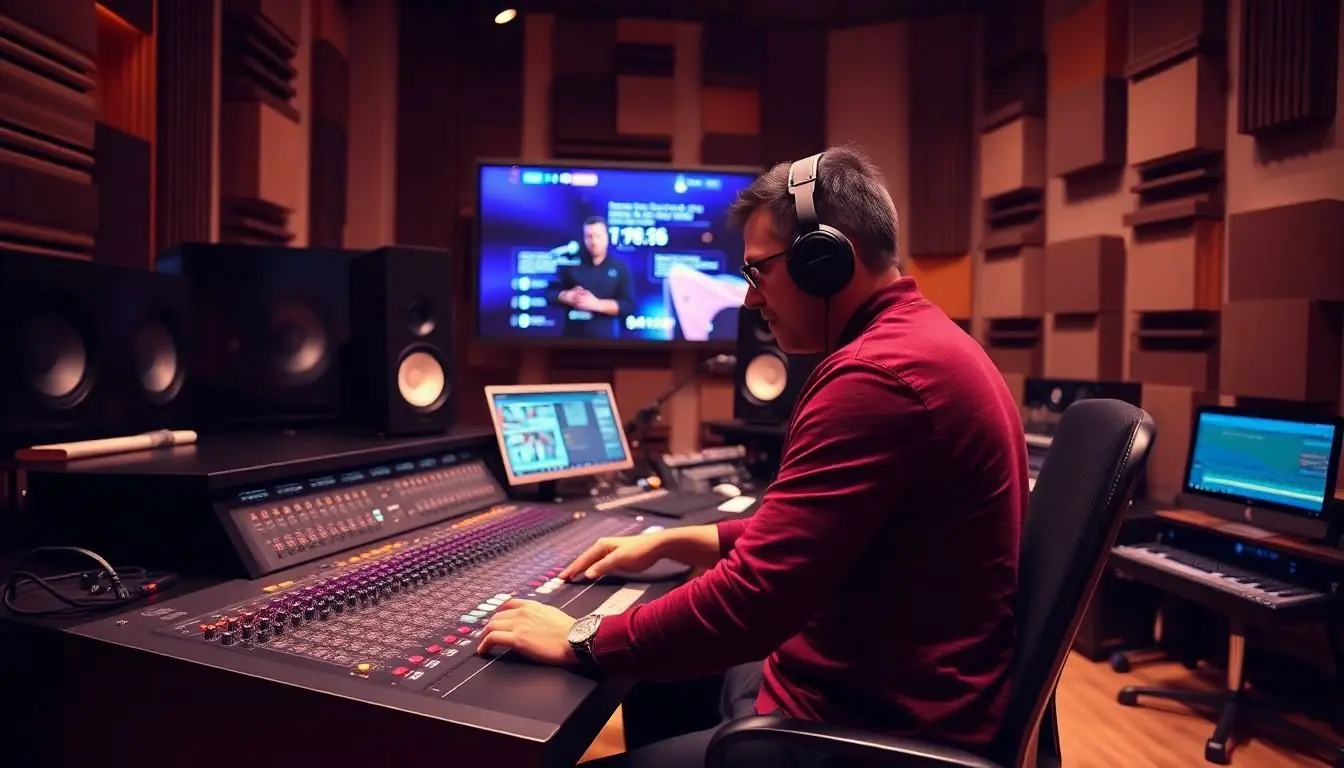
Balanced audio technology offers significant advantages that enhance the overall sound experience. It minimizes issues like noise and distortion, resulting in high-quality audio reproduction.
Improved Signal Quality
Signal quality stands as a key benefit of balanced audio technology. This method utilizes two identical signals to reduce noise, ensuring clarity and fidelity in sound. Listeners notice greater detail across all frequencies, as balanced systems articulate recordings effectively. In professional environments, this means vocals and instruments sound more natural, enhancing the recording or live performance experience. Furthermore, its compatibility with high-end equipment allows for seamless integration, yielding a consistent output that meets industry standards.
Reduced Noise Interference
Noise interference is substantially diminished with balanced audio technology. This system effectively combats electromagnetic interference, crucial in settings with numerous electronic devices. Environments like recording studios and concert venues benefit greatly from this capability, as engineers maintain superior sound quality without disruptions. Longer cable runs present no challenge, with balanced audio supporting distances over 100 feet while keeping audio integrity intact. Professionals appreciate this feature, especially when working in large venues, as it allows for flexible setups without compromising sound clarity.
Types of Balanced Audio Connections
Balanced audio technology utilizes various types of connections, with XLR and TRS being the most common.
XLR Connections
XLR connections feature three pins, each serving a distinct purpose: one for the positive signal, one for the negative signal, and one for ground. These connectors are common in professional audio equipment, ensuring reliable transmission over long distances. They excel in reducing noise and interference, making them ideal for microphones and mixing consoles. Typically used in studio recordings and live sound applications, XLR connections maintain signal integrity in demanding environments. Many audio professionals prefer XLR due to durability and secure locking mechanism, which prevents accidental disconnection during performances.
TRS Connections
TRS connections also provide balanced audio transmission, primarily using a 1/4-inch (6.35 mm) jack. These connectors consist of three conductors: tip for the positive signal, ring for the negative signal, and sleeve for ground. Found in various music gear, including instruments and mixers, TRS connections support both balanced and unbalanced setups. Frequencies maintain clarity with TRS connections, even in loud environments. Audio engineers often choose TRS when flexibility is needed, as these connectors can be adapted for different uses without compromising sound quality.
Applications of Balanced Audio Technology
Balanced audio technology plays a crucial role in various applications, enhancing sound quality across different environments. Its benefits are evident in both professional audio equipment and consumer electronics.
Professional Audio Equipment
In professional settings, balanced audio technology proves indispensable. XLR connections dominate the studio landscape, providing stable electrical performance and excellent noise rejection. Mixing consoles also rely on balanced connections, ensuring clear sound representation during recordings. Musicians benefit from wireless microphones utilizing balanced signals, which maintain audio clarity in live performances. Furthermore, this technology supports long cable runs, making it ideal for large venues. Audio engineers depend on balanced systems to deliver precise sound reproduction across all frequencies. Reliability remains a key factor, especially when working with high-end equipment that demands consistent output.
Consumer Electronics
Consumer electronics also incorporate balanced audio technology for improved listening experiences. Higher-end headphones frequently utilize balanced connections, delivering greater fidelity and detail. Sound bars equipped with balanced audio features ensure optimal sound quality for home theater systems. Bluetooth speakers benefit from balanced technology as well, enhancing sound clarity and volume levels without distortion. Moreover, balanced audio enhances streaming devices, elevating audio quality for music and video content. By integrating balanced connections, manufacturers provide users with superior sound reproduction, catering to both casual listeners and audiophiles. Overall, balanced audio technology enriches everyday audio experiences across various consumer devices.
Balanced audio technology stands out as a crucial element in achieving superior sound quality. By effectively minimizing noise and interference, it enhances the listening experience for both professionals and casual users alike. The use of XLR and TRS connectors ensures reliable connections and maintains clarity even in challenging environments.
This technology not only supports longer cable runs but also allows for higher volume levels without distortion. As audio professionals and enthusiasts continue to seek excellence in sound reproduction, balanced audio will remain a fundamental choice for delivering rich and detailed audio experiences. Embracing this technology is essential for anyone looking to elevate their audio quality to new heights.