

In today’s digital age, a reliable home network isn’t just a luxury; it’s a necessity. Imagine living in a world where buffering videos and dropped connections are mere myths. A well-designed home networking setup can transform your digital experience from frustrating to fabulous. Whether you’re streaming your favorite shows, gaming with friends, or working from home, having a robust network is the key to seamless connectivity.
Understanding Home Networking Setup
Creating a robust home networking setup plays a crucial role in maintaining a seamless digital experience. With various devices connected simultaneously, a dependable network ensures smooth operation for all online activities.
Importance of a Reliable Home Network
A reliable home network supports multiple users and devices, enhancing daily tasks like video streaming, online gaming, and remote work. Without strong connectivity, interruptions can occur, leading to frustration. Research shows that 87% of households experience issues with connectivity. A reliable network can help eliminate problems such as buffering or dropped signals. It significantly boosts productivity and entertainment quality, facilitating a more enjoyable digital environment.
Common Components of Home Networking
Several components work together to create a home network. Routers serve as the central hub, directing data traffic between devices and the internet. Modems connect to internet service providers, facilitating access. Network switches expand connectivity options, allowing more devices to connect simultaneously. Wireless access points enhance signal range, improving connectivity in larger homes. Ethernet cables provide stable connections for stationary devices, reducing latency. These components together create an effective and efficient home networking system.
Steps to Setting Up a Home Network
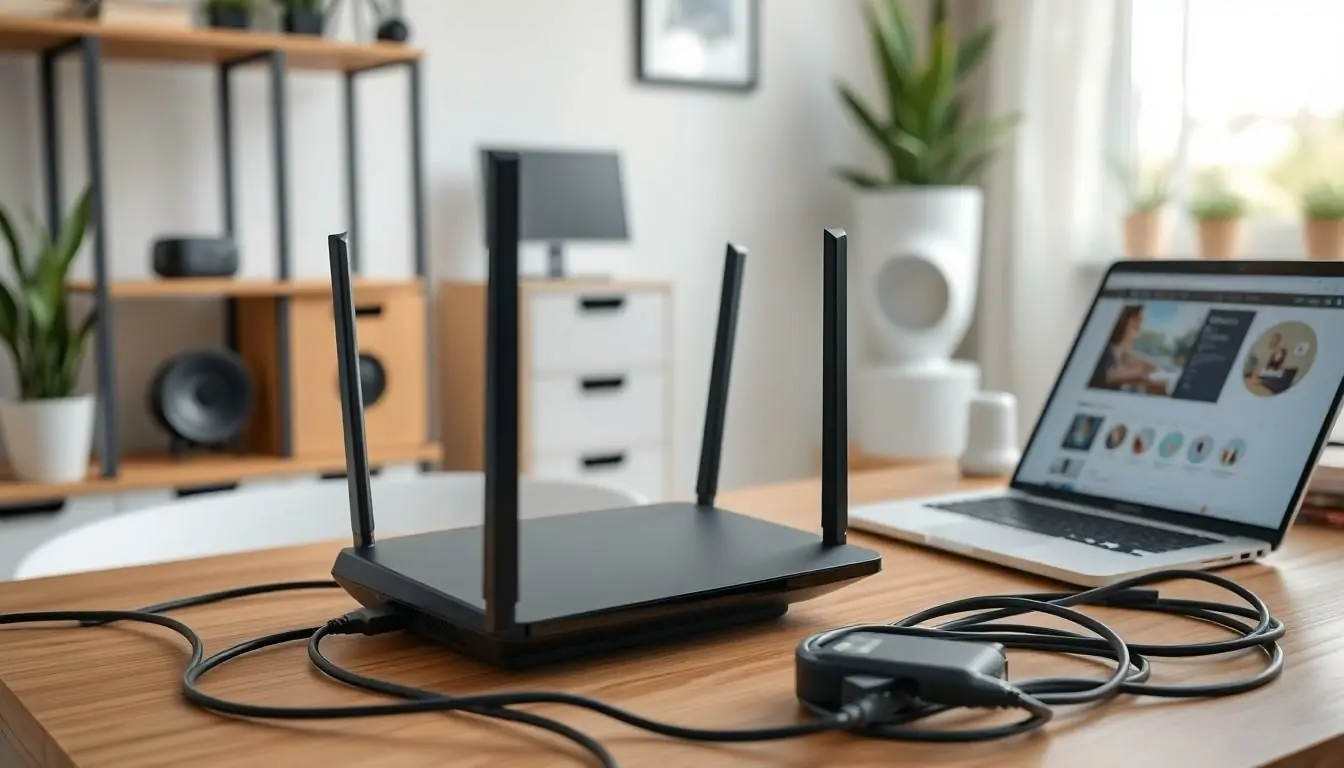
Setting up a home network involves careful planning and execution. Each step contributes to creating a seamless digital experience.
Choosing the Right Router
Choosing a router impacts network performance. Consider speed specifications, which typically range from 300 Mbps to 1 Gbps, based on household needs. Look for dual-band or tri-band options that efficiently manage multiple devices. Evaluate coverage area; a larger home might need a mesh system to eliminate dead zones. Check for advanced features, such as Quality of Service (QoS) to prioritize bandwidth for activities like streaming or gaming. Make sure the router supports the latest Wi-Fi standards like Wi-Fi 6 to ensure long-term compatibility.
Connecting Devices to the Network
Connecting devices requires a systematic approach. Start by connecting the modem to the router using an Ethernet cable. This setup enables internet access for all devices. Use the router’s web interface to configure network settings, including the network name and password. Connect devices like smartphones, tablets, laptops, and smart home gadgets to the network via Wi-Fi or Ethernet cables based on preference. Ensure devices are placed strategically to maintain signal strength. Regularly check for firmware updates to enhance security and performance.
Best Practices for Home Networking
Establishing effective home networking practices enhances connectivity and security. Attention to these details ensures a reliable digital experience.
Securing Your Home Network
Utilizing strong passwords protects devices from unauthorized access. Changing default administrative credentials on routers adds an extra layer of security. Additionally, enabling WPA3 encryption fortifies wireless networks. Regularly updating firmware reduces vulnerabilities, making the network less susceptible to attacks. Monitoring connected devices helps identify unauthorized users, ensuring peace of mind. Implementing a guest network keeps personal devices secure while allowing visitors online access. Configure firewalls to block unwanted traffic and safeguard sensitive information.
Optimizing Network Performance
Strategically placing routers impacts signal strength and coverage. Positioning routers in central locations reduces dead zones throughout the home. Utilizing the 5 GHz band minimizes interference and enhances speed for devices capable of using it. Connecting devices via Ethernet cables ensures stable connections for gaming and streaming. Limiting the number of devices streaming simultaneously alleviates congestion during peak usage times. Regularly rebooting the router refreshes connections and improves overall performance. Prioritizing critical applications through QoS settings guarantees necessary bandwidth for essential tasks.
Troubleshooting Common Issues
Identifying and resolving issues within a home network can enhance connectivity and overall user experience. It’s important to know how to diagnose and address common problems.
Identifying Connectivity Problems
Start by checking the status indicators on the modem and router. Power lights should be steadily lit, while internet connection lights indicate activity. Next, ensure all cables are securely connected and not damaged. Devices should reconnect to the network automatically; if they don’t, analyze the Wi-Fi settings for issues. Additionally, network performance may lag if multiple users access bandwidth-heavy applications simultaneously. If problems persist, running a speed test on various devices can help identify specific connectivity issues.
Solutions for Slow Internet Speeds
Consider rebooting the router to clear temporary glitches and improve performance. Reducing the number of simultaneously connected devices can enhance speed significantly. Utilizing Ethernet connections for stationary devices generally provides a faster and more stable internet experience. Changing the router’s channel may also improve performance, especially in densely populated areas where interference is common. Finally, ensure that the router firmware is up to date, which can provide security enhancements and optimizations that boost overall speed.
A well-structured home networking setup is essential for maximizing the digital experience in today’s interconnected world. By following best practices and implementing the right components, users can enjoy seamless connectivity for various activities like streaming and gaming.
With careful planning and execution, they can create a reliable network that supports multiple devices without interruptions. Regular maintenance and security measures further enhance performance and protect sensitive information.
Investing time and effort into a home network not only boosts productivity but also ensures a smoother, more enjoyable online experience for everyone in the household.