
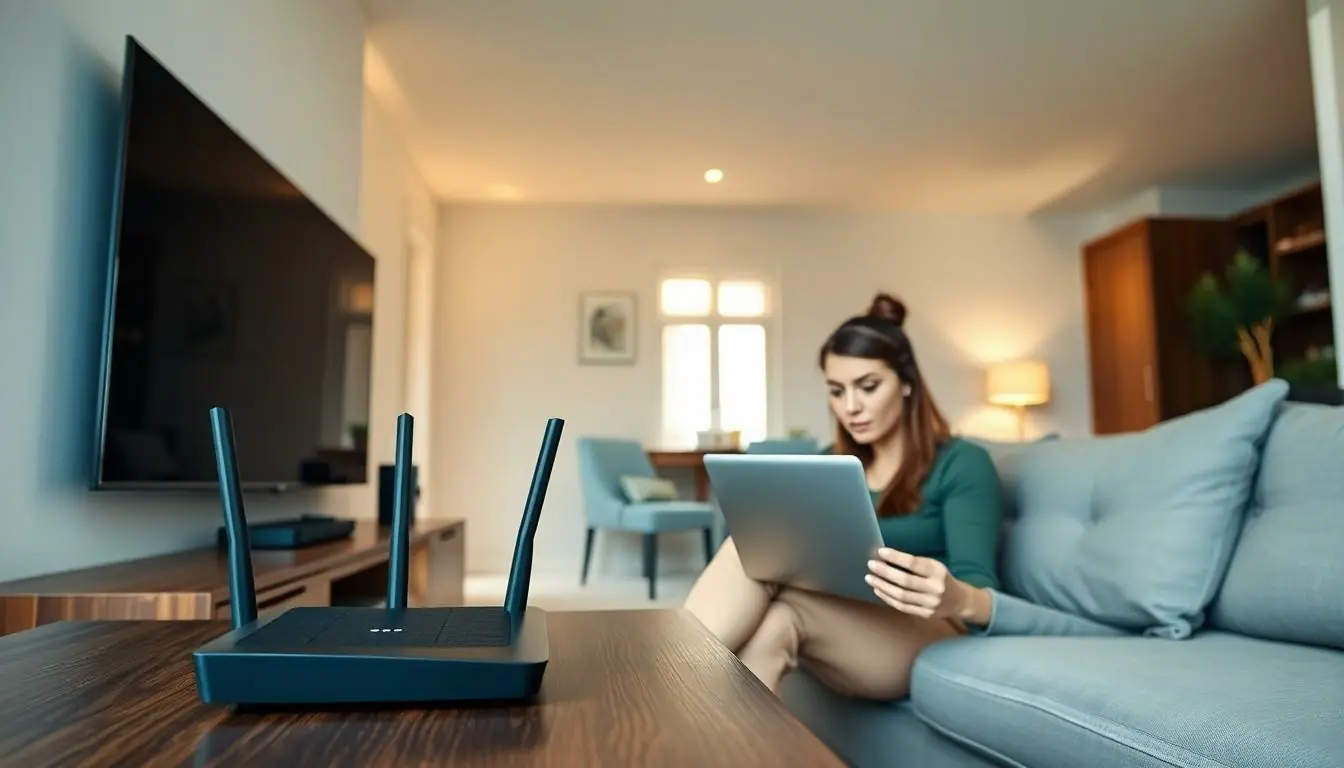
In today’s tech-savvy world, a reliable home network is as essential as coffee on a Monday morning. Whether streaming the latest series, video chatting with grandma, or battling online foes, a solid connection can make or break the experience. Yet, many find themselves tangled in a web of slow speeds and dead zones, leading to frustration and the occasional shout at the router.
Overview of Home Networking Solutions
A reliable home networking solution enhances internet connectivity across devices. Various options ensure that users can enjoy seamless streaming, video chatting, and online gaming without interruptions. These solutions typically include routers, Wi-Fi extenders, and mesh networks, each serving different needs.
Routers serve as the central hub, connecting all devices to the internet. Placement impacts performance, so locating the router in a central area optimizes signal distribution. Mesh networks consist of multiple nodes working together, eliminating dead zones in larger homes. This setup often provides a more consistent connection throughout the premises.
Wi-Fi extenders amplify the existing signal to reach further areas. Users facing slow speeds in specific locations may find this solution effective. When combined with a strong internet plan, these tools enhance overall performance.
Security features also play a critical role in home networking solutions. Modern routers offer functionalities like firewalls and guest networks, protecting personal data. Keeping firmware up to date addresses vulnerabilities, helping to maintain a secure environment.
Additionally, evaluating network speed and bandwidth contributes to the ideal setup. Tools for testing these parameters can identify issues, allowing users to make informed adjustments. Options for optimizing performance range from upgrading hardware to changing network settings.
Ultimately, selecting appropriate networking equipment based on home size, user requirements, and activity types ensures a robust connection. Understanding these elements helps create a reliable and high-performing home network tailored to individual lifestyles.
Types of Home Networking Solutions
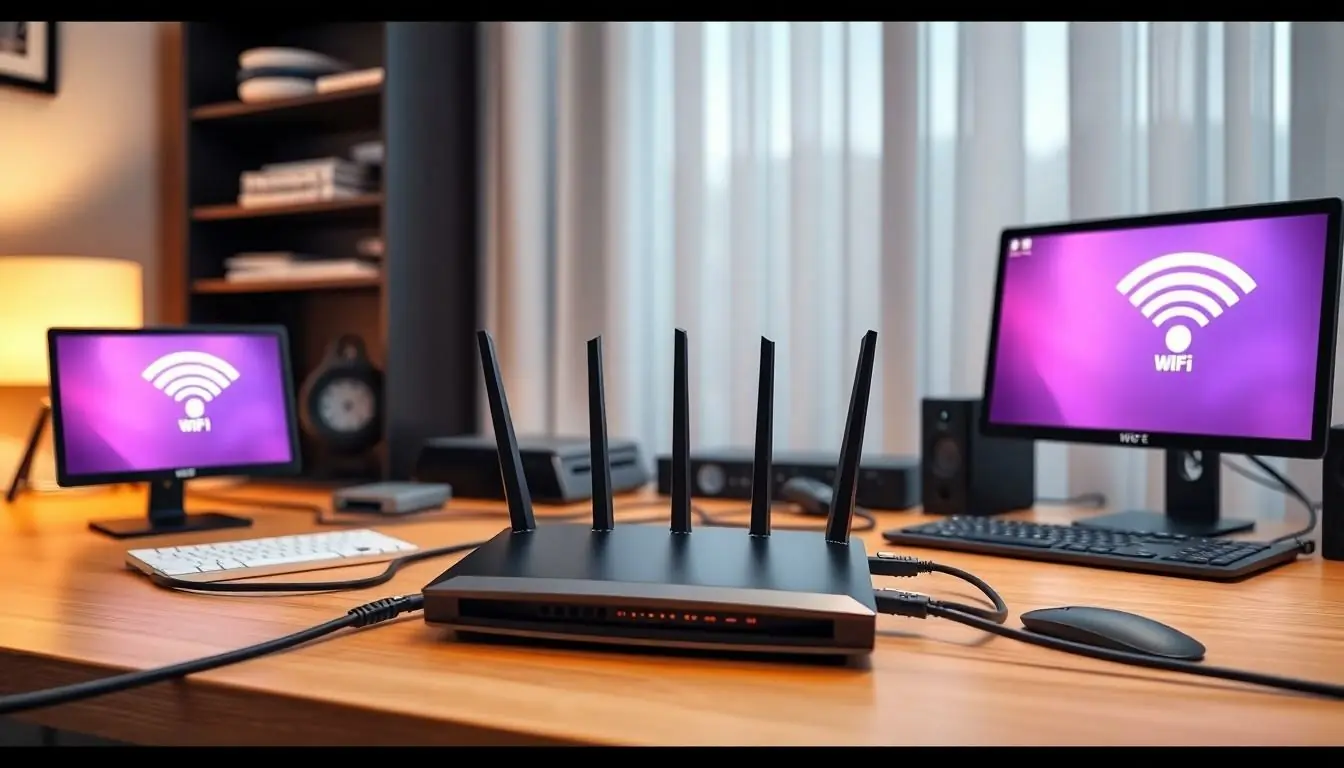
Home networking solutions come in various kinds, each catering to specific needs and preferences. Understanding these types helps users choose the right option for their environment.
Wired Networking Options
Wired networking typically provides a stable and fast connection. Ethernet cables connect devices directly to the router, ensuring high-speed data transfer. Users often find that wired connections offer lower latency, making them ideal for online gaming and video conferencing. Routers equipped with multiple Ethernet ports allow connections for various devices, including computers, gaming consoles, and smart TVs. In larger homes, using switches can extend the available ports for additional wired connections.
Wireless Networking Options
Wireless networking options provide flexibility and convenience for users. Wi-Fi networks eliminate the need for cables and allow devices to connect from anywhere within range. Routers can broadcast Wi-Fi signals, offering access to smartphones, laptops, and tablets. Mesh networks serve as an effective solution for larger areas, deploying multiple nodes to ensure seamless coverage throughout the home. Users often select Wi-Fi extenders to amplify signals in dead zones. Security features like WPA3 encryption ensure data protection while using wireless networks.
Popular Home Networking Devices
Home networking devices play a crucial role in ensuring seamless connectivity across various gadgets. Users can choose from several key devices tailored to their specific needs.
Routers
Routers act as the primary connection point for home networks. By distributing internet traffic among connected devices, they ensure optimal speeds for streaming and gaming. Placement of the router affects signal strength. Ideally, it should be positioned centrally within the home. Modern routers offer features like dual-band technology, allowing for simultaneous connections on different frequencies. Many models include advanced security measures, such as WPA3 encryption, to safeguard data.
Switches
Switches enhance wired networking in homes with multiple devices. They serve as junctions to connect various Ethernet cables, creating a network that operates efficiently without interfering with wireless signals. Managed switches provide additional functionality, allowing users to prioritize bandwidth for critical devices. These devices reduce latency, an important factor for online gaming and video conferencing. Unmanaged switches, on the other hand, offer a simple plug-and-play solution for basic network needs.
Extenders
Extenders are vital for improving Wi-Fi coverage in larger homes. They take existing signals and amplify them, extending the reach to areas where the router’s signal may be weak. Placement of extenders should be within the router’s range for maximum effectiveness. Some extenders also support dual-band operation, ensuring connectivity for both older and newer devices. With user-friendly setups, many extenders can be configured through mobile applications, making the process accessible for users.
Setting Up Your Home Network
Establishing a strong home network is essential for optimizing connectivity and user experience. Proper setup improves internet access across all devices.
Planning Your Network Layout
Effective network planning starts with identifying device locations. Placing the router in a central location minimizes dead zones and maximizes signal reach. Consider obstacles like walls and large furniture that can obstruct signals. Drawing a layout of your home allows users to visualize where to install devices like routers and extenders. Take note of areas with high device usage such as living rooms and home offices. Prioritizing these locations ensures stronger connections where needed most.
Configuring Devices
Configuring network devices correctly plays a crucial role in network performance. Start by connecting the router to the modem using an Ethernet cable. Change the default network name and password for security. Afterward, ensure to enable WPA3 encryption for enhanced protection against unauthorized access. Extenders should be positioned halfway between the router and dead zones to effectively boost signal strength. Mesh systems require simple setup steps via an app, allowing users to manage connections easily. Regularly updating device firmware ensures optimal performance and security.
Troubleshooting Common Issues
Slow internet speeds can frustrate users. Identifying the cause often begins with checking the router’s placement. Centralizing the router’s location minimizes signal obstruction from walls or furniture. If devices remain unresponsive, restarting both the router and modem can resolve many connectivity problems.
Dead zones may indicate the need for a Wi-Fi extender or mesh network. Extenders amplify signals, extending coverage beyond the router’s range, while mesh networks use multiple nodes to offer seamless connectivity in larger spaces. Additionally, ensuring that firmware is up to date boosts performance and security, addressing many common vulnerabilities.
Connection issues can arise from interference caused by other electronic devices. Microwaves and cordless phones might disrupt signals, particularly on the 2.4 GHz band. Switching to the 5 GHz band can reduce interference since it’s generally less crowded, although it has a shorter range.
For users experiencing frequent disconnections, reviewing device settings is crucial. Changing passwords and ensuring WPA3 encryption enhances security, protecting against unauthorized access. Users should also verify that they have sufficient bandwidth to meet their needs. Bandwidth testing tools help evaluate available speeds, ensuring the plan aligns with household requirements.
Should the network performance still lag, upgrading hardware might be necessary. Modern routers with dual-band technology offer improved speeds, while managed switches prioritize bandwidth for critical applications. Evaluating the setup and configuration of each device plays a significant role in achieving optimal performance throughout the home.
A robust home network is essential for maximizing the benefits of modern technology. By understanding the various solutions available users can enhance their internet experience significantly. Whether opting for a powerful router a mesh network or Wi-Fi extenders each option caters to different needs and home layouts.
Prioritizing security and maintaining optimal performance through regular updates and strategic device placement is crucial. With the right setup users can enjoy seamless streaming gaming and video calls without frustration. Investing time in evaluating and optimizing home networking solutions will undoubtedly lead to a more connected and efficient living environment.