
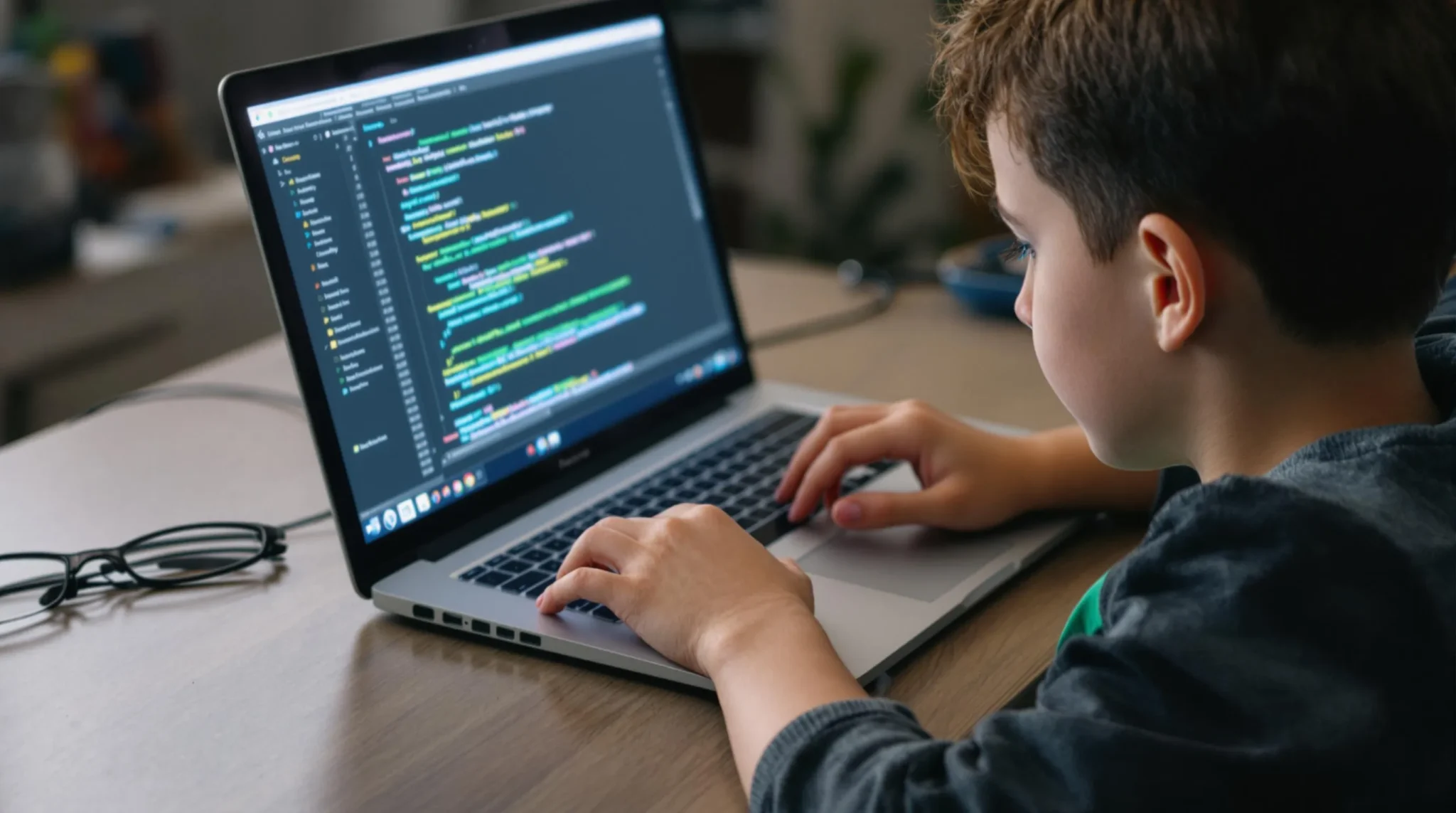
In a world where coding skills are as essential as learning to ride a bike, online coding tutorials for kids are the perfect training wheels. They not only teach the ins and outs of programming but also instill the invaluable lesson of persistence. After all, every great coder has faced their fair share of bugs and errors—it’s like a rite of passage!
Table of Contents
ToggleOverview of Online Coding Tutorials for Kids
Online coding tutorials provide a structured way for kids to explore programming. These resources serve not only as guides for learning languages but also as platforms to develop vital skills like persistence.
Importance of Teaching Kids to Code
Teaching kids to code equips them with essential problem-solving skills. Coding encourages logical thinking, enhancing the ability to tackle complex challenges. Exposure to programming at a young age promotes curiosity about technology. Additionally, coding knowledge prepares children for future job markets where technical skills are increasingly vital. Coding also encourages creativity as kids bring their ideas to life through their programs.
Benefits of Persistence in Learning
Persistence plays a crucial role in the learning process. It enables kids to overcome obstacles like debugging code or understanding new concepts. When children encounter challenges, developing the ability to keep trying fosters resilience. Persistence builds a sense of accomplishment when they finally solve problems, boosting confidence in their abilities. Moreover, learning through failure teaches kids to view setbacks as growth opportunities. Embracing persistence lays a strong foundation for lifelong learning and adaptability in various fields.
Types of Online Coding Tutorials
Various online coding tutorials cater to kids, each emphasizing persistence and skill development. These tutorials offer unique paths for young learners to grasp coding concepts effectively.
Interactive Platforms
Interactive platforms immerse kids in hands-on coding experiences. Websites like Scratch and Code.org facilitate coding through engaging activities and games. Kids can create animations, games, or stories by dragging and dropping code blocks. Feedback is immediate, allowing them to troubleshoot and learn from their mistakes. Through repetition, this interactive method fosters persistence, encouraging children to keep trying until they succeed. Problem-solving skills enhance as they face challenges and iterate on their projects, solidifying their understanding of programming fundamentals.
Video-Based Learning
Video-based learning presents another effective approach for teaching coding to kids. Platforms such as Khan Academy and YouTube offer a variety of coding tutorials that break down complex concepts into easy-to-follow segments. These tutorials often include visual demonstrations, making learning enjoyable and accessible. Kids can pause and rewatch sections as needed, reinforcing their understanding. Engaging with animated explanations helps build confidence and encourages them to persist through challenges. Video-based tutorials promote a growth mindset, as children learn that overcoming obstacles is a crucial part of the coding process.
Key Features to Look For
When selecting online coding tutorials for kids, focus on specific features that promote engagement and learning.
Engaging Content
Interactive elements capture attention and keep children motivated to learn. Tutorials that integrate games, projects, and challenges stimulate interest and enhance retention. Platforms like Scratch allow kids to create their own stories or games, fostering creativity while coding. Multimedia components, such as videos and animations, break down complex concepts into manageable chunks. Accessible language and relatable examples ensure children grasp the material, regardless of their prior knowledge.
Progress Tracking
Effective tutorials include tools to monitor learning progress. Systems that provide feedback enable kids to see their growth in real-time, enhancing persistence. Badges and milestones encourage them to reach specific goals, making learning feel rewarding. Flexible pathways allow children to advance at their own pace, ensuring they fully understand each concept before moving forward. Analytics features help parents and educators assess a child’s development, facilitating personalized support in areas where additional focus is needed.
Success Stories and Case Studies
Online coding tutorials have inspired numerous kids to embrace technology and coding skills, showcasing how perseverance drives success.
Examples of Kids Who Thrived
One notable example is a 12-year-old girl who learned Python through an interactive platform. She started creating simple games and faced challenges initially. Despite setbacks, her determination led her to build a popular game that attracted over 1,000 players. A boy aged 10 began coding with Scratch and faced struggles with algorithms. His persistence paid off when he created an animation that won a local competition. Both kids illustrate how engaging tutorials help build resilience through real accomplishments.
Long-Term Benefits of Coding Skills
Children with coding experience often benefit beyond programming. They usually develop strong problem-solving abilities, essential for tackling challenges in various fields. Coding skills often enhance critical thinking, enabling kids to analyze situations effectively. Furthermore, many students find these skills valuable for future educational and career opportunities. Employers actively seek individuals with technical expertise, ensuring a competitive advantage. As students grow into adults, their coding knowledge fosters adaptability, equipping them for a rapidly changing job market.
Strategies to Encourage Persistence
Encouraging persistence in kids while learning coding is crucial for their growth. Several effective strategies exist to help nurture this quality.
Setting Manageable Goals
Setting manageable goals keeps students motivated and focused. Specific, achievable targets break down complex tasks into smaller, workable parts. For instance, coding projects can start with simple tasks like modifying existing code before creating new programs. This structured approach allows kids to experience immediate success. Over time, they gain confidence and boost their problem-solving skills. Incorporating weekly milestones provides a rhythm, ensuring progress is measurable and stress remains low.
Celebrating Small Achievements
Celebrating small achievements reinforces positive reinforcement. Recognizing progress, no matter how minor, instills a sense of accomplishment. Celebrations can involve sharing completed projects with family or friends. Additionally, giving virtual badges within learning platforms serves as a visual reminder of achievements. Such acknowledgments motivate kids to push through challenges. They learn that effort leads to rewards, promoting a growth mindset essential for success in coding and beyond.
Online coding tutorials for kids play a vital role in developing not only technical skills but also the persistence necessary for success. By providing structured learning paths and engaging content, these resources empower children to tackle challenges head-on. As they navigate through bugs and errors, they learn that resilience is key to growth.
The journey of coding becomes a platform for building confidence and problem-solving abilities. Each small victory reinforces their determination to keep going, fostering a mindset that embraces challenges rather than shying away from them. With the right tutorials, kids can cultivate a love for coding that prepares them for future opportunities in an increasingly tech-driven world.