


In a world where coding skills can open doors to endless opportunities, Scratch coding tutorials are like the golden ticket to the tech amusement park. Designed for beginners, these tutorials make learning to code as fun as pie—who doesn’t love pie? With colorful blocks and a drag-and-drop interface, Scratch transforms complex programming concepts into a playful adventure.
Overview of Scratch Coding Tutorials
Scratch coding tutorials cater to beginners eager to learn programming fundamentals. These tutorials utilize a visual programming language, making coding accessible without prior experience. Engaging elements, such as interactive projects and animations, keep learners motivated.
Various platforms offer Scratch coding tutorials, including websites, videos, and in-person workshops. Websites like Scratch’s official site provide step-by-step guides, while platforms like YouTube host a range of instructional videos. Workshops often combine both instructional and hands-on components, allowing learners to apply skills actively.
Users frequently benefit from community support in Scratch coding tutorials. Online forums and user groups provide spaces for sharing projects, asking questions, and receiving feedback. Peer collaboration cultivates a sense of belonging, enhancing the learning experience.
Fundamental concepts introduced in these tutorials include loops, conditionals, and variables. Understanding these concepts lays a solid foundation for more advanced programming. Scratch tutorials incorporate game development, storytelling, and interactive art as engaging applications of learned skills.
Flexibility in pace characterizes these tutorials, allowing learners to proceed based on their own comfort and understanding. This personalized approach enables individuals to revisit challenging topics as necessary. As learners progress, they can take on more complex projects, enhancing their coding skills further.
Progress assessment often occurs through project completion and peer evaluations. Completing projects leads to a sense of achievement and boosts confidence. Tutorials encourage exploration, fostering creativity within a structured framework, making learning both effective and enjoyable.
Benefits of Learning Scratch Coding
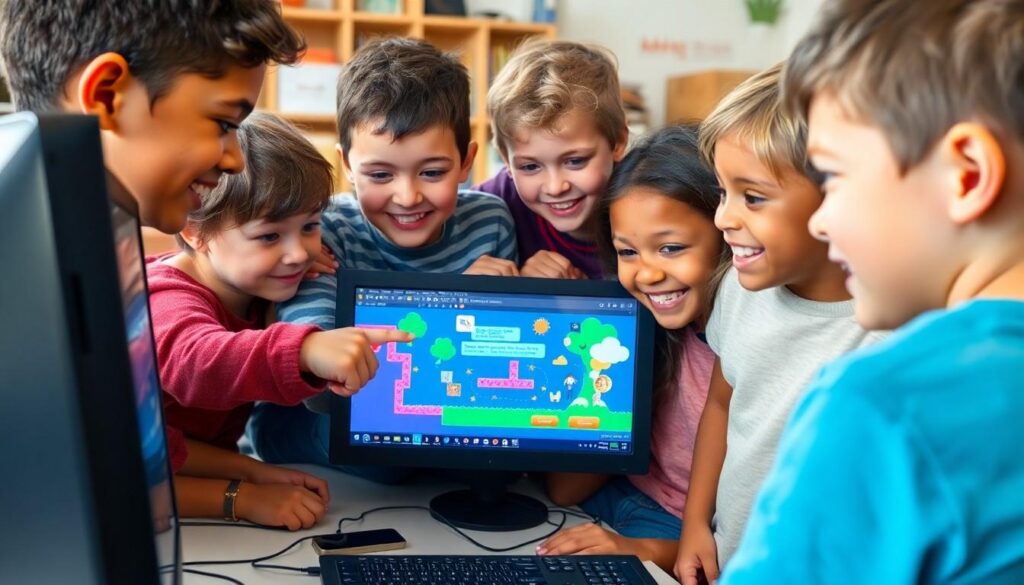
Learning Scratch coding offers numerous advantages, especially for beginners. Its user-friendly interface and engaging approach make it an ideal choice for those new to programming.
Engaging for Kids
Scratch captures children’s interest with its colorful visuals and interactive features. Creative projects like games and animations spark excitement, encouraging kids to explore coding concepts. The drag-and-drop interface allows them to see immediate results, fostering their creativity. Engaging storytelling elements keep young learners motivated as they create unique projects. Communities and forums create vibrant spaces for sharing ideas and getting feedback, further enhancing the learning experience. Kids can collaborate with peers, which builds teamwork skills and increases enjoyment. Overall, Scratch promotes a playful, engaging environment that resonates well with a younger audience.
Foundation for Programming Concepts
Solidifying fundamental programming principles is another key benefit of Scratch coding. Concepts such as loops, conditionals, and variables get introduced in a visual format, making them easier to understand. These building blocks become evident as learners create their own coding projects. Understanding these essentials provides a strong basis for more advanced programming languages in the future. Problem-solving skills develop naturally as learners troubleshoot issues in their projects. Additionally, peer evaluations offer constructive feedback, reinforcing learning through collaboration. Overall, Scratch lays the groundwork for a deeper understanding of programming in an accessible and enjoyable way.
Types of Scratch Coding Tutorials
Scratch coding tutorials come in various formats, catering to different learning preferences. The two primary types are video tutorials and written guides, each offering unique benefits.
Video Tutorials
Video tutorials provide a visual and auditory learning experience. Many learners find this format engaging as it demonstrates coding techniques through clear step-by-step instructions. They include animations and real-time coding examples, making complex concepts easier to understand. Platforms like YouTube and dedicated coding websites host numerous Scratch video tutorials, often created by experienced educators. These resources allow learners to pause, rewind, and rewatch sections, ensuring they grasp each concept fully. Additionally, video tutorials often feature community feedback, enhancing engagement and interaction among learners.
Written Guides
Written guides serve as a valuable resource for learners who prefer reading over watching. These guides typically break down concepts into manageable sections, making them easy to reference. Many written guides include screenshots to illustrate each step visually. Code snippets within these guides allow learners to practice alongside the instructions, reinforcing their understanding. Available in formats such as blogs, PDFs, and eBooks, written guides offer flexibility for learners to study at their own pace. Furthermore, their structured format enables quick review of specific topics as needed.
Tips for Getting the Most Out of Scratch Coding Tutorials
Utilizing Scratch coding tutorials effectively enhances the learning experience. Implement these strategies to maximize benefits.
Setting Realistic Goals
Establishing realistic goals streamlines the learning process. Beginners should aim for achievable milestones, such as completing a simple project before advancing to more complex tasks. Tracking progress motivates learners and helps them recognize their accomplishments. Setting specific targets, like mastering loops in one week, prevents frustration and fosters a sense of achievement. Regular re-evaluation of goals keeps learners on track, adjusting challenges as necessary to maintain engagement. Using forums and community feedback can also assist in refining these objectives, providing clarity on what’s attainable within a certain timeframe.
Practicing Regularly
Regular practice solidifies understanding and increases skill retention. Consistency is crucial; dedicating time each week to coding enhances proficiency. Engaging with the platform daily, even for short periods, reinforces concepts through repetition. Attempting various projects encourages experimentation and creativity, helping learners discover personal interests within coding. Collaborating with peers on Scratch tutorials fosters teamwork and introduces new perspectives. Seeking feedback from the community promotes improvement while creating a supportive environment for shared learning experiences. Incorporating these practices effectively builds upon foundational skills, leading to deeper knowledge and confidence in coding abilities.
Where to Find Quality Scratch Coding Tutorials
Finding quality Scratch coding tutorials involves exploring multiple platforms that cater to different learning styles. Websites like Scratch’s official site offer resources and projects that guide beginners through coding fundamentals. YouTube serves as another excellent source, featuring numerous channels dedicated to Scratch tutorials. Detailed videos provide visual and auditory learning experiences, enabling users to pause and rewatch segments for better comprehension.
Blogs present written guides that break down concepts into clear, manageable sections. These guides include visual aids, such as screenshots and code snippets, making it easier for learners to practice. Organizations like Code.org also provide structured lessons that align with educational standards, ideal for classroom environments.
In-person workshops add another layer of engagement. Local coding clubs or community centers often host sessions for beginners, facilitating hands-on experience and collaborative learning. Learners receive real-time feedback from instructors, which can enhance their understanding of complex concepts.
Scratch user forums serve as valuable resources for peer assistance. Participants can ask questions, share projects, and collaborate on solving coding challenges. This dynamic interaction fosters a supportive learning environment and builds a network of fellow learners.
For a comprehensive approach, consider combining different sources. By using video tutorials, written guides, and community engagement, learners can maximize their understanding and enjoyment of Scratch coding. Focusing on these quality resources ultimately enriches the coding journey, making it more effective and enjoyable.
Scratch coding tutorials offer a unique opportunity for learners to dive into the world of programming. Their engaging and accessible format makes coding not just a skill but an enjoyable journey. With a variety of resources available learners can choose the method that suits them best whether it’s through videos or written guides.
The supportive community around Scratch enhances the experience and fosters collaboration among peers. This environment nurtures creativity and problem-solving skills essential for any aspiring programmer. Embracing these tutorials can lead to a solid foundation in coding principles while keeping the learning process fun and interactive.

