

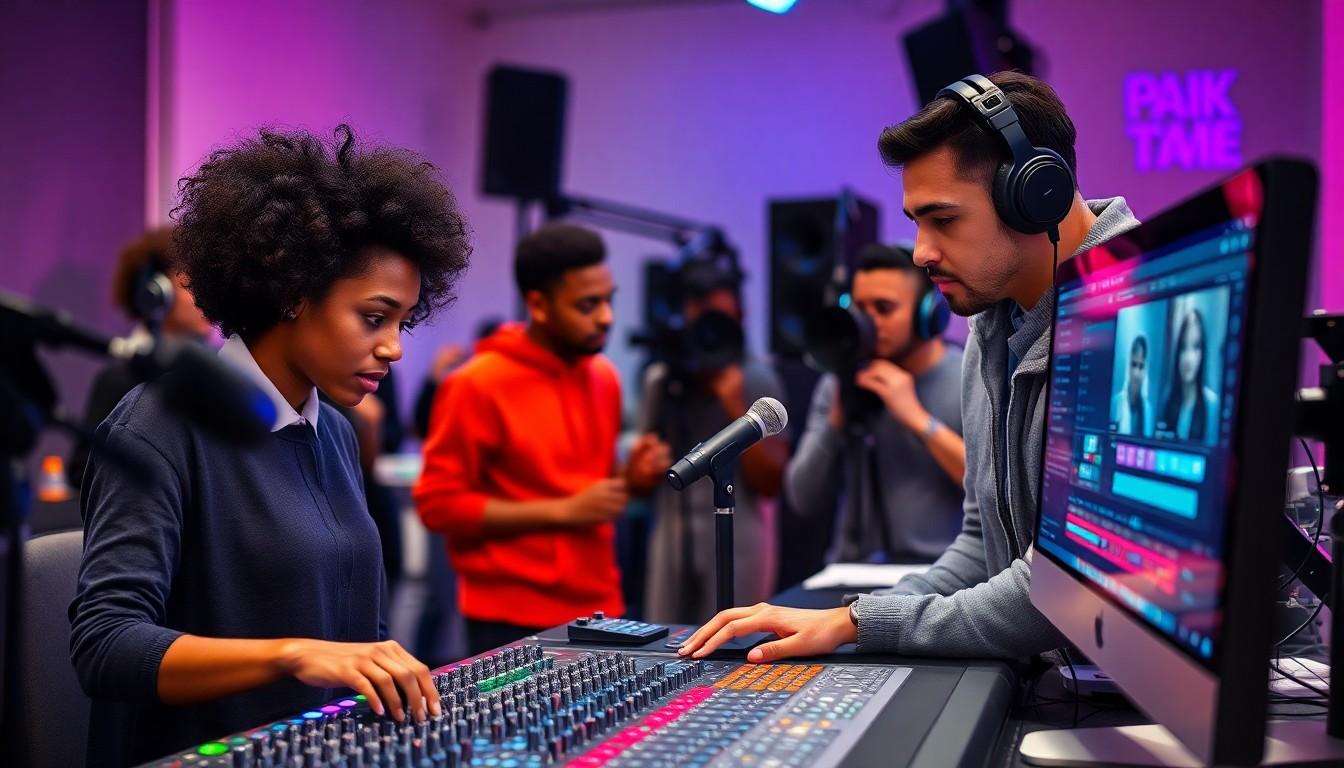
In a world where the line between art and technology blurs faster than a poorly focused camera lens, the realm of arts audio video technology and communications stands at the forefront of creativity. Imagine transforming a simple idea into a captivating visual feast that not only entertains but also communicates powerful messages. This fusion of sound, sight, and innovation is where magic happens, and it’s time to dive in.
From the latest sound engineering techniques to cutting-edge video production, this field is a playground for creative minds and tech enthusiasts alike. Whether you’re an aspiring filmmaker or a sound designer with dreams of grandeur, understanding these technologies can turn your artistic visions into reality. So grab your headphones and get ready to explore how these tools can elevate your creative projects to new heights—because who wouldn’t want to be the next Spielberg or Beyoncé of their craft?
Overview of Arts Audio Video Technology and Communications
Arts audio video technology and communications encompass various elements that blend creativity and technical skills. This field allows artists to explore innovative ways of expressing their ideas through sound and visuals. By utilizing advanced tools and techniques, creatives can produce captivating experiences that resonate with audiences.
Understanding sound engineering is crucial. It involves mastering the manipulation of audio to evoke emotions and enhance storytelling. Familiarity with concepts like mixing and mastering ensures that audio elements complement visual components effectively.
The role of video production cannot be overlooked. Techniques such as scripting, shooting, and editing bring artistic visions to life on screen. Many creators prioritize techniques like lighting and camera angles to craft engaging narratives that capture viewers’ attention.
Communications technology plays a vital part in how art is shared. Platforms for distribution, from social media to streaming services, expand reach and accessibility. These avenues allow artists to connect with larger audiences and receive immediate feedback on their work.
Collaboration within this space fosters growth. Artists, engineers, and technologists often work together to merge ideas and develop groundbreaking projects. This teamwork results in a dynamic exchange of skills and knowledge that elevates the entire creative process.
Investing time in learning these technologies enhances artistic capabilities. Workshops and online courses provide valuable resources for those looking to improve their skills. Emphasizing continuous growth in these technical areas contributes to refined artistry.
Key Components of Arts Audio Video Technology
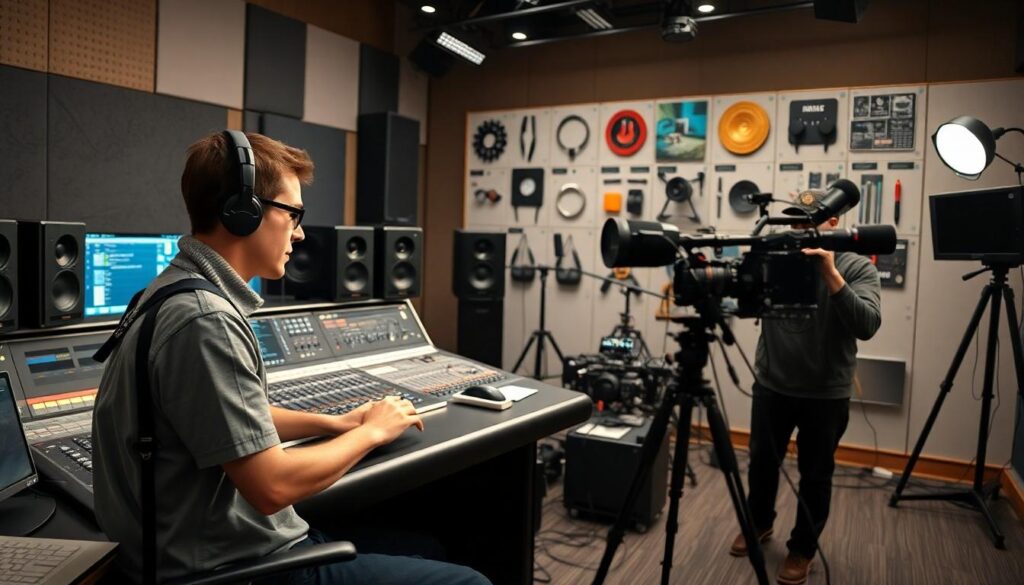
This section delves into crucial components that underpin arts audio and video technology, highlighting their significance in creative expressions.
Audio Technology
Audio technology encompasses various elements essential for sound creation and manipulation. Sound engineering stands as a primary focus, involving recording techniques that capture nuanced performances. Mixing and mastering further enhance audio quality, ensuring clarity and balance across frequencies. Digital audio workstations (DAWs) like Ableton Live and Pro Tools empower artists to edit and produce tracks seamlessly. Furthermore, microphones, speakers, and studio monitors play vital roles, affecting how sound is recorded and reproduced. Each piece of equipment contributes uniquely to the overall auditory experience, allowing artists to convey emotions effectively through sound.
Video Technology
Video technology integrates multiple tools and techniques vital for visual storytelling. The scripting phase outlines the narrative, guiding producers through the creative process. During shooting, cameras and lighting setups create the desired atmosphere, capturing dynamic visuals with precision. Video editing software such as Adobe Premiere Pro and Final Cut Pro provides platforms for post-production, where artists refine footage and add effects. Additionally, understanding frame rates and resolutions impacts the quality of the final product. These components together shape the visual narrative that communicates an artist’s vision, engaging audiences through compelling imagery.
Applications in the Arts
Arts audio video technology and communications play a pivotal role across various creative fields. Their impact is particularly evident in film, television, and music, where they elevate artistic expression and engage audiences effectively.
Film and Television Production
Film and television production relies heavily on advanced audio and video technologies. Artists craft compelling narratives through scripting, directing, and editing processes. The use of high-definition cameras enhances visual storytelling, while techniques like lighting and sound design captivate viewers. Editing software such as Adobe Premiere Pro facilitates seamless transitions and effects. Sound design, including dialogue editing and Foley artistry, enriches the viewing experience. Together, these components transform raw footage into polished cinematic works, allowing artists to communicate their visions clearly.
Music Production and Sound Design
Music production and sound design integrate sophisticated audio technologies to create immersive auditory experiences. Artists utilize digital audio workstations like Ableton Live and Pro Tools for recording, mixing, and mastering tracks. Techniques such as layering and spatial effects enhance the richness of sound. Additionally, the use of different microphones and audio interfaces shapes the tonal quality of recordings. Sound design encompasses creating unique audio backgrounds, using synthesizers, and manipulating samples for artistic innovation. This crucial blending of technology and creativity enables musicians to reach and resonate with their audiences effectively.
Impact on Communication
Arts audio video technology significantly transforms communication. This evolution enables artists to convey complex ideas through visual and auditory mediums.
Enhancing Audience Engagement
Engagement levels rise dramatically with the incorporation of multimedia elements. Audiences experience stories more vividly through immersive soundscapes and striking visuals. Utilizing platforms like social media, artists connect with fans globally, expanding their reach. Interactive content fosters participation, encouraging audiences to respond and share their experiences. Live-streaming events create real-time interactions, enriching the viewer’s experience. Dynamic storytelling captivates attention, drawing audiences into the narrative more effectively.
Facilitating Collaboration
Collaboration flourishes as communication tools evolve. Artists, sound engineers, and technologists unite to create innovative projects. Tools like cloud storage enable seamless sharing of files, streamlining the creative process. Virtual meetings allow for real-time feedback, enhancing project development. Cross-disciplinary projects emerge, blending various art forms and technical skills, resulting in richer creative expressions. Utilizing platforms specifically for collaboration enhances the team’s productivity and creativity. Partnerships grow more accessible, cultivating a thriving community across artistic disciplines.
Future Trends in Arts Audio Video Technology
Emerging technologies are set to revolutionize arts audio video technology and communications. Artificial intelligence plays a pivotal role in creative processes, enabling artists to generate unique soundscapes and visuals quickly. Artists harness AI-generated algorithms for personalized experiences, allowing for deeper emotional connections with their audiences.
Virtual reality and augmented reality technologies expand artistic possibilities by immersing viewers in 3D environments. As more artists utilize VR and AR, interactivity becomes a central aspect of their work, providing audiences with multifaceted experiences. These technologies redefine how narratives are constructed and experienced.
Cloud computing enhances collaboration across geographical boundaries, allowing teams to work on projects in real time. Remote collaboration tools facilitate seamless communication, leading to innovative results. Increased access to high-speed internet globally enables broader participation in creative projects.
Streaming platforms continually evolve, offering artists new avenues for distribution and engagement. Audiences now demand more interactive and immersive content, pushing creators to experiment with formats and styles. Live streaming events provide real-time connection opportunities, fostering community engagement.
Sustainability becomes a significant focus as artists seek eco-friendly practices in audio and video production. Green technologies minimize environmental impact while maintaining high-quality outputs. Through the adoption of energy-efficient equipment and sustainable materials, the sector can progress toward more responsible practices.
Expanding on these trends, storytelling techniques evolve, combining visuals and sound in novel ways. Multisensory experiences captivate audiences, blending music, video, and interactive elements. As these innovations unfold, they transform the landscape of arts audio video technology, empowering artists and enriching audience experiences.
The fusion of arts audio video technology and communications is reshaping how stories are told and experienced. By blending creativity with technical expertise, artists are crafting immersive experiences that resonate deeply with audiences. This evolution not only enhances artistic expression but also fosters collaboration among creatives and technologists.
As new technologies emerge, the possibilities for innovation expand. Artists are now able to explore uncharted territories through AI, VR, and AR, pushing the boundaries of traditional art forms. The commitment to sustainability and community engagement further strengthens the artistic landscape.
Ultimately, the ongoing advancements in audio and video technology promise to captivate audiences in ways previously unimaginable, paving the way for a vibrant future in the arts.

