


In a world where every cat video goes viral and podcasts have taken over the airwaves, the arts audio/video technology and communications career cluster is where creativity meets technology. Picture a realm where aspiring filmmakers, sound engineers, and digital communicators unite to shape the future of entertainment and information. It’s not just a job; it’s a chance to turn passion into a paycheck while having a blast.
Overview of Arts Audio/Video Technology and Communications Career Cluster
The arts audio/video technology and communications career cluster merges creativity with technology. This field offers various pathways for individuals to explore their passion while making an impact.
Defining the Career Cluster
The arts audio/video technology and communications career cluster encompasses roles that focus on producing and distributing digital content. Occupations include filmmakers, sound engineers, editors, and broadcast technologists. Each position plays a vital role in creating audio and visual media for entertainment, education, and information. Notably, this cluster also includes jobs in animation, graphic design, and multimedia production. Together, these professions contribute to a dynamic and evolving landscape that combines artistry with technical skill.
Importance in Today’s Job Market
The importance of this career cluster in today’s job market is significant. Rapid advancements in technology have created a growing demand for skilled professionals in media production. According to the Bureau of Labor Statistics, employment for audio and video technicians is expected to increase by 11% from 2020 to 2030. This growth reflects society’s increasing consumption of digital content through platforms like streaming services and social media. Furthermore, professionals in this field are essential for businesses seeking to enhance their communication and branding strategies. The intersection of creativity and technology within this career cluster ensures a broad range of opportunities for aspiring individuals.
Key Career Paths in the Cluster
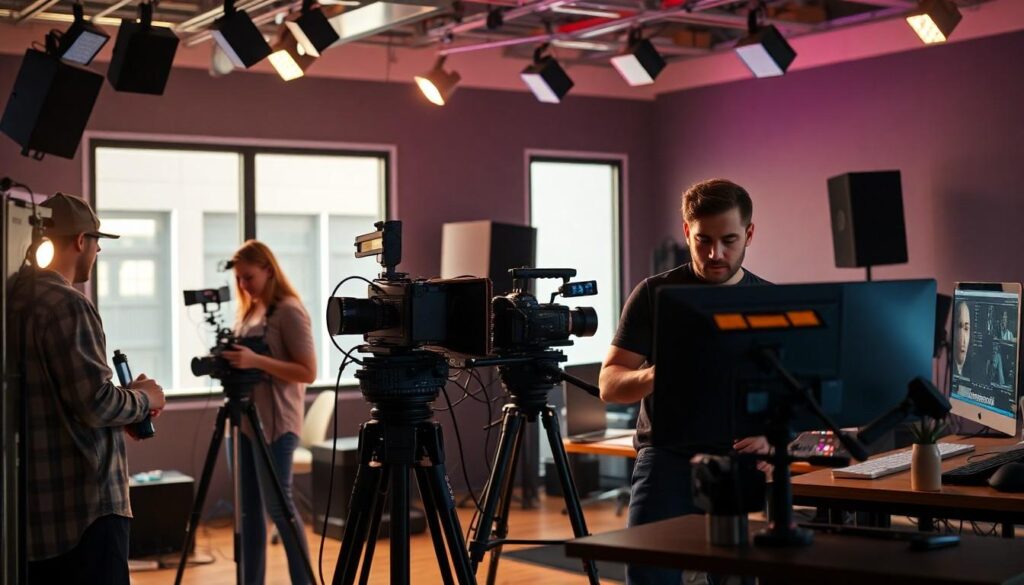
The arts audio/video technology and communications career cluster offers various dynamic paths. Below are key career paths within this vibrant industry.
Audio/Video Production
Audio and video production professionals handle the creation and distribution of multimedia content. Filmmakers direct and produce short films, documentaries, or feature films, utilizing advanced technology. Sound engineers manage sound recording and mixing, ensuring high-quality audio for various formats. Editors play a critical role in assembling footage, adding effects, and refining sequences to create cohesive productions. Diverse job titles include production assistants, cinematographers, and broadcast technicians. This area consistently evolves as technology progresses, encouraging innovative storytelling methods.
Communications Management
Communications management focuses on overseeing messaging and public relations strategies. Professionals in this area develop communication plans, maintaining brand voice across multiple platforms. Social media managers engage audiences by crafting compelling content and driving online interaction. Public relations specialists coordinate press releases, media events, and reputation management. These roles require strong writing skills and a keen understanding of audience demographics. As digital platforms rise, effective communication becomes essential for businesses seeking competitive advantages.
Animation and Graphic Design
Animation and graphic design encompass visual storytelling through artistic design and technology. Graphic designers create visuals for websites, advertisements, and marketing materials, ensuring brand consistency. Animators produce engaging animated content for films, video games, and educational materials, bringing characters to life. 3D artists specialize in modeling and rendering, implementing techniques that enhance visual allure. Many opportunities in this field arise from advancements in software. Innovative approaches continue to redefine how stories are told visually.
Skills and Qualifications Required
Technical expertise plays a crucial role in the arts audio/video technology and communications career cluster. Individuals must master various software applications such as Adobe Premiere Pro and Final Cut Pro for video editing. Proficiency in audio editing software like Pro Tools is essential for sound engineers. Knowledge of camera operation, lighting techniques, and broadcasting equipment directly impacts the quality of production. Familiarity with industry standards and ongoing trends enhances professionals’ competitive edge.
Interpersonal skills are equally important in this field. Communication abilities enable clear messaging among team members and clients. Collaboration skills foster effective teamwork, essential for successful project outcomes. Adaptability allows professionals to navigate the fast-paced nature of the industry. Creative problem-solving skills help individuals overcome challenges during production. Establishing strong networking capabilities also proves valuable for career advancement and ongoing opportunities.
Educational Pathways
Educational pathways in the arts audio/video technology and communications career cluster provide diverse options for aspiring professionals. Several routes emphasize both technical skills and creative development.
Degrees and Certifications
Degrees in fields like film production, audio engineering, or communications combine theoretical knowledge with practical applications. Many institutions offer associate’s, bachelor’s, or master’s degrees tailored to specific career goals. Certifications in software tools such as Adobe Creative Suite or Avid Media Composer enhance employability. Completing these programs equips individuals with a competitive edge in a rapidly evolving job market.
Industry Training Programs
Industry training programs stand out for their hands-on approach and real-world applicability. Workshops and internships often offer immersive experiences that connect students with professionals. Many organizations provide specialized training in areas such as digital editing, sound design, or visual effects. These programs frequently lead to networking opportunities that facilitate job placement in this vibrant industry.
Industry Trends and Future Outlook
The arts audio/video technology and communications sector is rapidly evolving, exhibiting strong growth potential. Trends indicate significant shifts driven by technological advancements and changing consumer preferences.
Advancements in Technology
Artificial intelligence and machine learning streamline production tasks, enhancing efficiency in audio and video editing. Cloud-based solutions facilitate real-time collaboration, allowing teams to work remotely and access resources seamlessly. Virtual and augmented reality technologies create immersive experiences, pushing the boundaries of storytelling. Innovations in camera equipment and lighting dramatically improve production quality and accessibility. Tools like Final Cut Pro and DaVinci Resolve have gained popularity, offering professionals advanced features for video content creation.
Job Market Projections
The job market for this sector shows a promising outlook with an 11% anticipated increase in employment for audio and video technicians from 2020 to 2030. Streaming services and social media platforms drive demand for skilled professionals. Positions in animation and graphic design are expected to flourish, reflecting the rise in digital content consumption. The communications management field will expand as organizations prioritize effective messaging strategies. New roles will emerge, focusing on data analytics and audience engagement, ultimately creating diverse job opportunities in this dynamic industry.
The arts audio/video technology and communications career cluster offers a vibrant landscape for those passionate about creativity and innovation. With an increasing demand for digital content and advancements in technology, professionals in this field can expect exciting opportunities ahead.
As they navigate their careers, individuals will find that a blend of technical skills and creative thinking is essential for success. The continuous evolution of this industry promises not only growth but also the chance to shape the future of entertainment and communication.
Aspiring professionals should embrace the diverse educational pathways and networking opportunities available to them, ensuring they’re well-prepared to thrive in this dynamic environment. The future is bright for those ready to dive into this engaging career cluster.

