

In a world where every moment can be captured and shared with a click, arts audio/video technology and communications have become the superheroes of creativity. Imagine transforming mundane ideas into captivating visual stories that can make even the most serious cat videos look like masterpieces. With the right tools, anyone can elevate their artistic vision and engage audiences like never before.
Overview of Arts Audio/Video Technology & Communications
Arts audio/video technology and communications play a crucial role in the creative process. They enable artists to explore new dimensions in storytelling. Through innovative tools, creators transform concepts into engaging visual narratives. High-quality audio and video equipment enhances the overall experience for audiences.
With the rise of affordable technology, accessibility to these resources has drastically increased. Many individuals now utilize smartphones and inexpensive cameras to produce remarkable content. Editing software further enriches this process, allowing for creative expression without requiring extensive training.
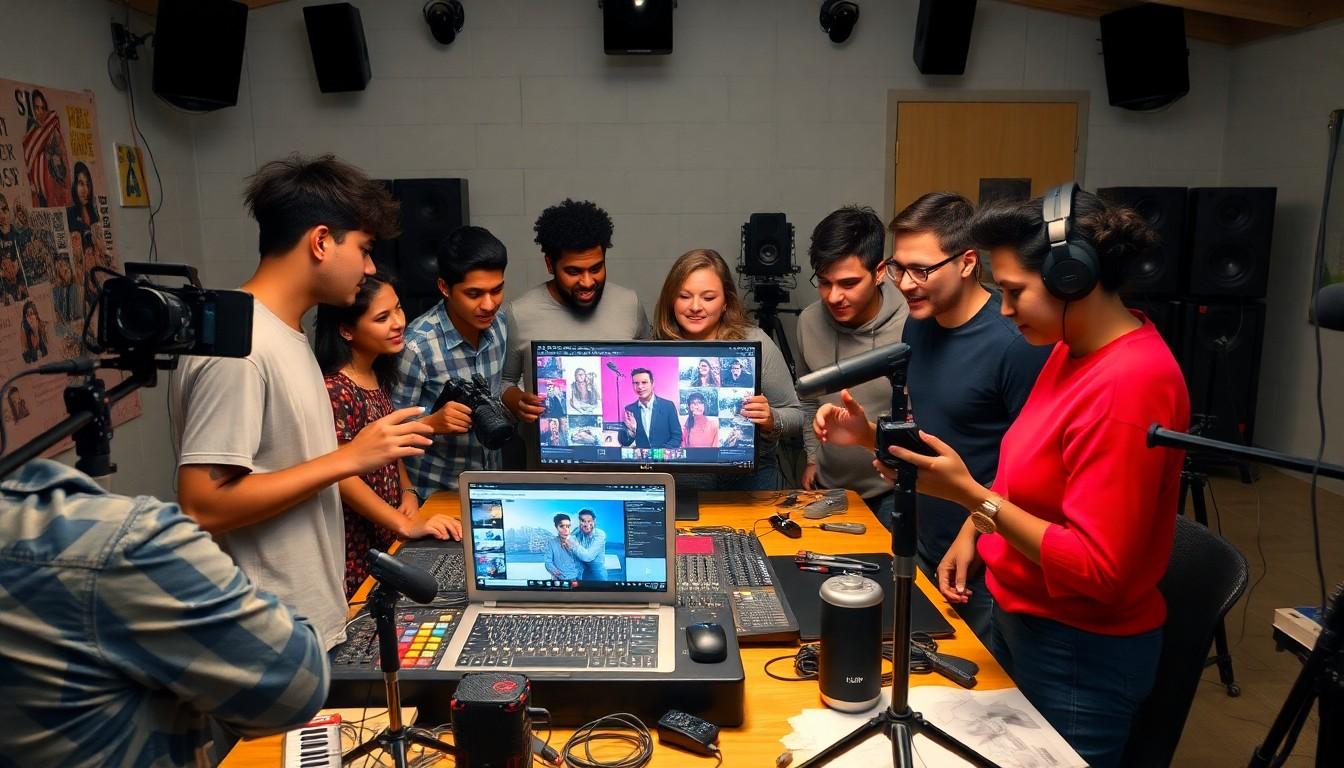
Collaboration stands at the heart of audio/video projects. Artists often work together across disciplines, merging skills to produce unique works. For instance, filmmakers collaborate with sound engineers to elevate narratives. Output from these collaborations can lead to groundbreaking projects and immersive experiences.
Historical evolution demonstrates how audio/video technology adapts to artistic needs. From the invention of the microphone to advanced virtual reality setups, each advancement facilitates richer communication. Existing platforms, such as YouTube and Vimeo, provide artists avenues for sharing their work globally.
Particularly, social media amplifies reach and engagement. Artists leverage platforms like Instagram and TikTok to showcase their creations, attracting diverse audiences. This democratization of arts access fosters a vibrant community around shared interests.
Understanding these technologies and their implications is essential for current and aspiring artists. With the vast array of tools available, opportunities for innovation expand continually. Engaging with audio/video technology not only enhances artistic expression but also elevates the audience’s experience.
Key Components of Audio/Video Technology
Audio and video technologies play a crucial role in modern creative expression. Their components shape the way content is produced and consumed.
Audio Technologies
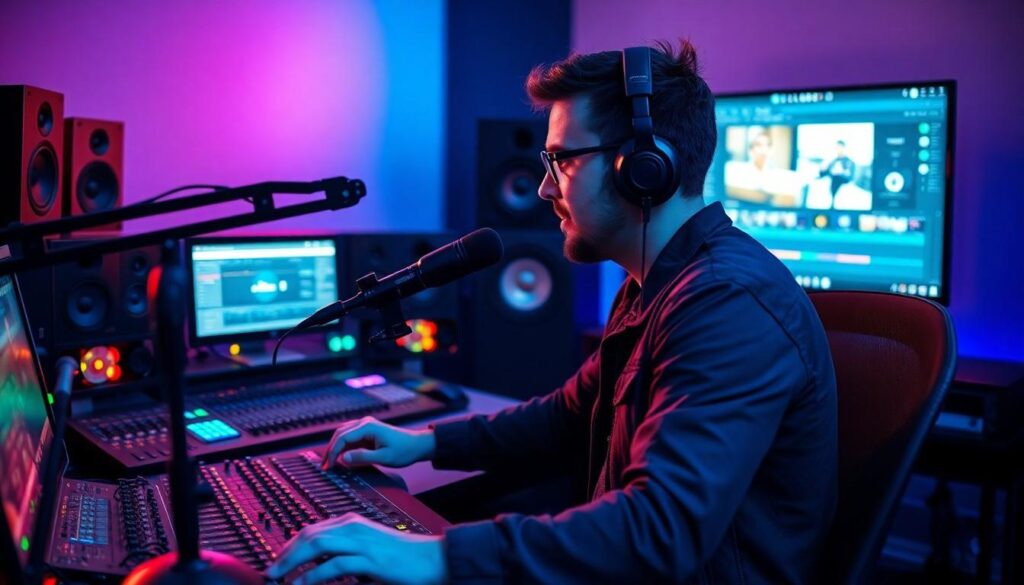
Audio technologies encompass various tools that capture, edit, and play sound. Microphones convert sound waves into electrical signals, enabling recording and live capture. Speakers reproduce sound, allowing audiences to experience audio clearly. Digital audio workstations (DAWs) facilitate editing and mixing, offering artists flexibility in refining their work. Sound interfaces connect microphones and instruments to computers, enhancing compatibility. Lastly, audio plugins add effects or modify sound characteristics. These components enable creators to produce high-quality soundscapes that enrich storytelling.
Video Technologies
Video technologies include an array of devices that record and display visual content. Cameras capture images, ranging from professional DSLRs to consumer smartphones. Video editing software, like Adobe Premiere or Final Cut Pro, allows for seamless editing and post-production enhancements. Lighting equipment improves visual quality, setting the mood and tone of a project. Monitors ensure accurate color representation during editing. Streaming platforms such as YouTube and Vimeo enable creators to share their work widely. These elements collaborate to deliver compelling visual narratives that engage viewers effectively.
Importance of Communication in the Arts
Effective communication serves as a cornerstone in the arts, facilitating the exchange of ideas and emotions.
Enhancing Artistic Expression
Technology actively enriches artistic expression. Artists leverage audio and video tools to experiment with innovative concepts. Access to high-quality equipment empowers creators to push boundaries. Elements like soundscapes created through digital audio workstations enhance storytelling. Video editing software allows for seamless integration of various media, resulting in polished final products. By utilizing these resources, artists transform standard ideas into captivating works, enabling deeper connections with viewers.
Audience Engagement
Engaging audiences demands a thoughtful approach to communication. Effective use of social media platforms amplifies reach and fosters communities around shared interests. Comments and feedback from viewers enhance the creative process, enabling continuous improvement. Streaming platforms offer instant accessibility to audiences worldwide, widening the exposure of artistic creations. Interactive elements, such as live chats during video streams, result in real-time engagement, making viewers feel like active participants. These strategies not only captivate but also retain audience interest in an evolving digital landscape.
Emerging Trends in Arts Audio/Video Technology
Innovations continue to reshape the landscape of audio and video technology within the arts. Emerging trends enhance the creative process and change how artists engage with their audiences.
Virtual Reality and Augmented Reality
Virtual reality (VR) immerses users in entirely different environments, transforming the way stories are told. Artists can create interactive experiences that respond to audience movements, engaging viewers like never before. Augmented reality (AR) overlays digital elements onto real-world settings, allowing for interactive installations that capture attention. Both technologies enable artists to experiment with spatial storytelling, creating narratives that invite exploration. As these tools become more affordable, they democratize access to powerful creative resources, inspiring innovation across artistic disciplines.
Live Streaming and Digital Platforms
Live streaming offers real-time connection opportunities, revolutionizing how artists distribute their work. Platforms like Twitch and YouTube facilitate direct interactions between creators and audiences, fostering community engagement. Artists can showcase their creative processes, host Q&A sessions, and gather feedback instantly, deepening audience involvement. Digital platforms also serve as valuable resources for sharing content globally, enhancing visibility and reach. With tools that simplify streaming, artists collaborate across different styles and genres, amplifying their creative expressions and broadening their audience base.
Industry Applications and Case Studies
Audio/video technology plays a pivotal role across various industries, significantly influencing creativity and communication. Real-world applications showcase its transformative impact.
Film and Television
Film and television productions rely heavily on advanced audio/video technology. High-quality cameras capture stunning visuals, while professional-grade microphones ensure crystal-clear sound. Editing software integrates these elements seamlessly, allowing creators to craft compelling narratives. Real-time editing capabilities and collaboration tools enhance teamwork among filmmakers, enabling efficient story development. Streaming platforms like Netflix and Hulu have revolutionized distribution, allowing creators to reach global audiences instantly.
Art Installations and Exhibitions
Art installations and exhibitions benefit from innovative audio/video technologies. Interactive displays engage viewers through immersive experiences, using projection mapping and sound installations. Artists utilize sensors to create responsive environments, capturing audience attention dynamically. Virtual reality setups invite visitors to explore artistic concepts in entirely new dimensions. Such immersive elements enrich the viewer’s emotional connection, fostering deeper appreciation for contemporary art. Collaborations between technologists and artists drive innovation, pushing boundaries in creative expression.
The evolution of audio/video technology and communications has profoundly transformed the creative landscape. Artists now have unprecedented access to tools that enable them to craft compelling narratives and engage audiences like never before. This democratization of technology fosters collaboration across disciplines and encourages innovative storytelling methods.
As these tools continue to advance, artists can explore immersive experiences that captivate viewers on multiple levels. The integration of VR and AR opens up new possibilities for creativity, making it essential for artists to stay informed and adaptable.
Ultimately, embracing these technologies not only enhances artistic expression but also strengthens the connection between creators and their audiences, paving the way for a vibrant future in the arts.

