

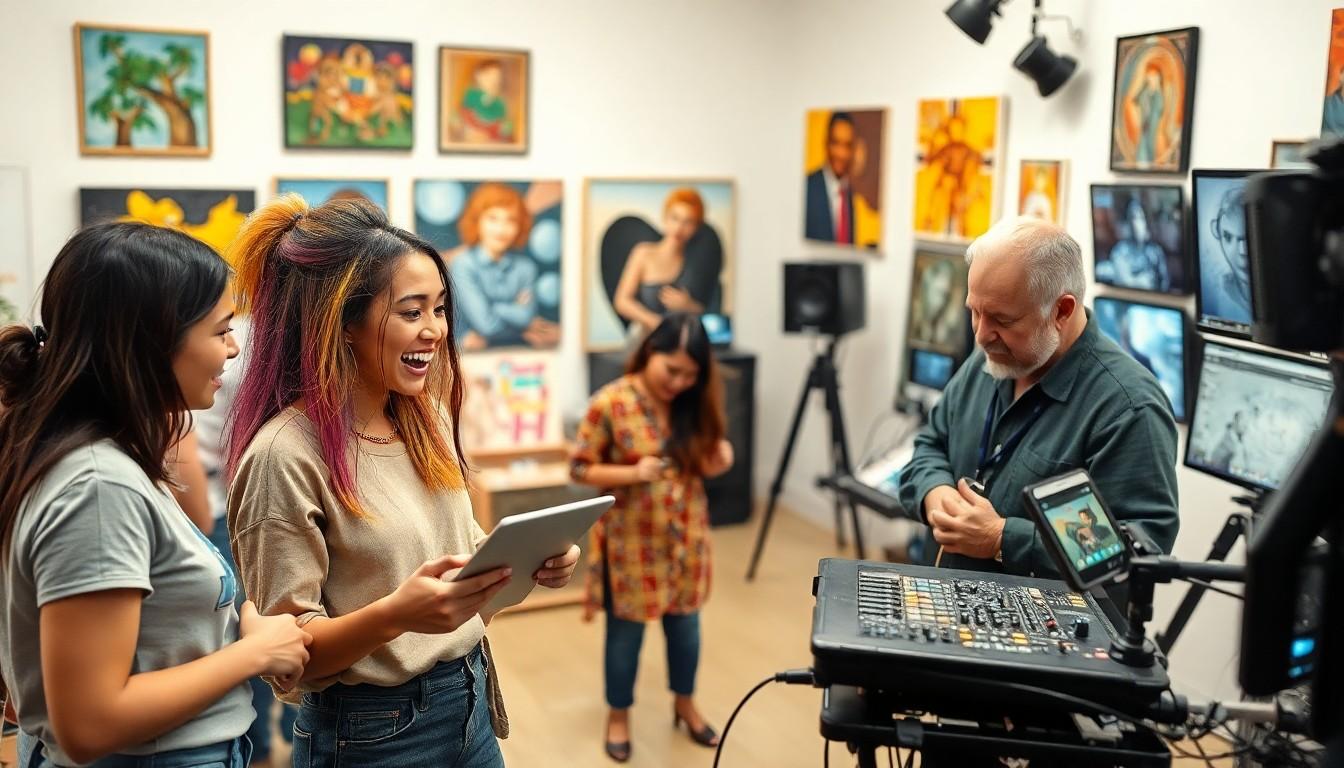
In a world where creativity meets technology, the realms of arts, audio/video technology, and communications are redefining how we express ourselves. Imagine a symphony of colors, sounds, and ideas blending seamlessly to captivate audiences like never before. It’s not just about making pretty pictures or catchy tunes; it’s about harnessing the power of innovation to tell stories that resonate.
Overview of Arts, Audio/Video Technology & Communications
Arts, audio/video technology, and communications enhance creative expression. These fields integrate advanced tools that revolutionize how stories are told. Innovative techniques in video production, sound design, and visual arts transform traditional methods.
Creative professionals utilize software for editing, mixing, and production, ensuring high-quality outputs. Digital platforms enable artists to showcase their work to wider audiences. Video conferencing tools facilitate collaboration across distances, breaking geographical barriers between creators.
Audio technology allows for immersive experiences, particularly in music and film. Sound engineers utilize digital audio workstations for precise mixing and mastering. Visual artists rely on cutting-edge graphic design software to bring concepts to life. The incorporation of virtual reality provides new dimensions to interactive experiences in the arts.
Effective communication plays a crucial role in these fields. Artists articulate their visions to engage audiences through various media formats. The rise of social media platforms fosters community engagement, enabling immediate feedback and interaction.
Technological advancements continue to shape the future of arts, audio/video technology, and communications. Emerging tools, like artificial intelligence, streamline creativity and content creation. This evolution opens doors for collaboration among diverse disciplines, celebrating the intersection of innovation and artistic expression.
The Evolution of Arts and Technology
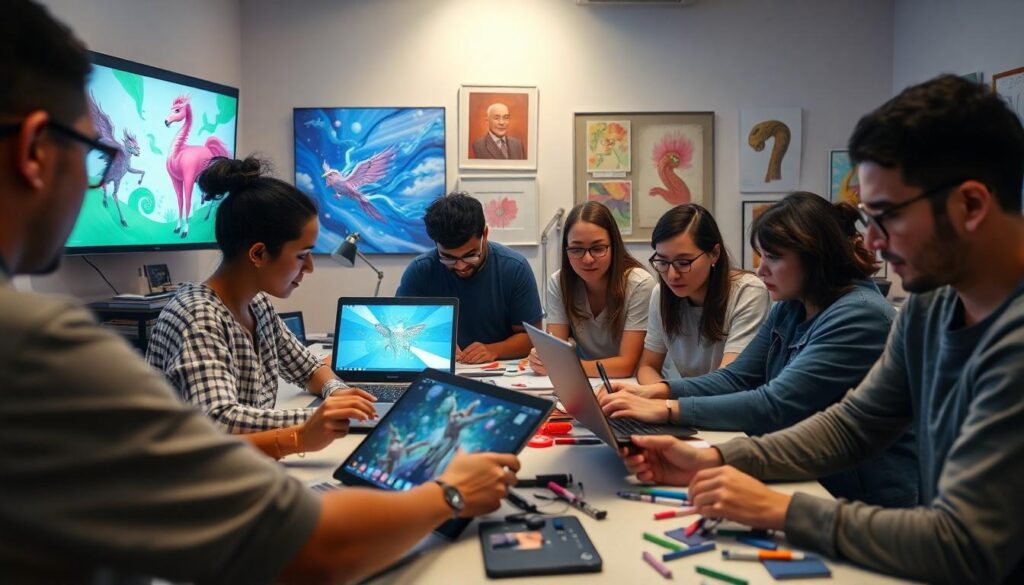
The intersection of arts and technology has transformed the methods of expression and communication. This evolution reflects how creativity adapts to innovative tools and platforms.
Historical Context
Technological advancements have significantly shaped artistic movements throughout history. The invention of the printing press in the 15th century revolutionized how art and information disseminated. Photography emerged in the 19th century, reshaping visual arts and enabling new storytelling forms. In the late 20th century, digital technology began to influence art creation and distribution, offering artists unprecedented control and reach. Milestones such as the introduction of computer graphics in the 1960s paved the way for contemporary animations and digital art. These pivotal developments demonstrate how technology continuously influences artistic expression and communication methods.
Modern Innovations
Innovation in arts and technology unfolds rapidly, leading to remarkable changes in creative processes. Virtual reality allows immersive experiences that engage audiences in novel ways. Artists use advanced software for animation, music production, and graphic design to bring their visions to life. Social media platforms enable instant sharing and interaction with a global audience, fostering community engagement. Collaborative tools facilitate teamwork across distances, encouraging diverse perspectives in creative projects. Artificial intelligence assists artists by streamlining various tasks, from content generation to predictive analysis of audience preferences. Overall, modern advancements significantly enrich artistic endeavors and communication methods.
Impact on Communication
Arts, audio/video technology, and communications revolutionize how individuals interact and share information. These advancements reshape the dynamics of expression and engagement.
Changing Communication Methods
Digital platforms facilitate instant communication through videos, podcasts, and social media posts. Real-time interactions foster deeper connections among artists and audiences. Messaging apps now support multimedia content, enabling creatives to convey messages effectively. Live streaming serves as a tool for artists to showcase their work and engage followers. Tools like webinars and online forums enhance discussions across various art forms, broadening perspectives and creativity.
Influence on Audience Engagement
Advanced technology cultivates immersive audience experiences through interactive media. Virtual reality can transport viewers into a narrative, creating emotional connections. Multimedia formats, such as augmented reality, allow individuals to engage with art in innovative ways. Social media platforms enable artists to cultivate communities around their work, amplifying reach and feedback. Audiences can share their insights instantly, ensuring sustained engagement and fostering artist-audience relationships.
The Role of Professionals in the Industry
Creative professionals play a pivotal role in the arts, audio/video technology, and communications sectors. They shape visual and auditory experiences, fusing artistry with technology.
Artists and Creators
Artists utilize various mediums to express unique ideas and emotions. Visual artists apply graphic design software to craft stunning visuals, while musicians explore audio technology to enhance sound quality. Filmmakers harness editing tools for seamless storytelling, capturing audience attention. Each creator contributes a distinct perspective, refining their craft through innovative methods. Social media serves as a platform for sharing their work, allowing for real-time audience engagement. Collaborative projects often emerge, driven by the desire to merge different artistic visions. The impact of their creativity resonates across multiple formats, fostering a deeper connection with audiences.
Technologists and Engineers
Technologists design and implement tools that elevate artistic expression. Audio engineers adjust sound levels, ensuring clarity in music and film production. Software developers create applications that streamline the creative process, empowering artists to focus on their craft. Engineers emphasize the importance of reliable equipment for high-quality output. Innovations like virtual reality and augmented reality broaden the horizon for interactive experiences. Collaborative efforts with artists result in groundbreaking projects that push artistic boundaries. Continuous advancements in technology drive the evolution of art, making it accessible to a global audience. The synergy between technology and creativity underpins a progressive future in the industry.
Future Trends in Arts, Audio/Video Technology & Communications
Emerging trends in arts, audio/video technology, and communications indicate significant growth in immersive experiences. Virtual reality (VR) creates interactive environments where audiences engage deeply with narratives. Augmented reality (AR) enhances physical spaces, allowing artists to blend digital elements seamlessly into the real world.
Artificial intelligence (AI) is also gaining traction in creative processes. AI algorithms assist in video editing, music composition, and graphic design, streamlining workflows and enabling artists to focus on creativity. Machine learning tools analyze audience reactions, offering valuable insights for more targeted content creation.
Furthermore, advancements in sound technology redefine audio experiences. Spatial audio techniques immerse listeners in three-dimensional soundscapes, elevating music and film. High-resolution audio formats, such as FLAC, enhance sound quality, catering to audiophiles and casual listeners alike.
Digital communication continues to evolve. Social media platforms adapt to feature more video content, encouraging artists to connect with audiences in real-time. Live streaming opens avenues for direct interaction, enabling creators to share their processes and engage fans instantly.
Collaboration tools also transform how creative professionals work together. Cloud-based platforms facilitate sharing among artists and technologists, breaking down geographical barriers. Effective teamwork boosts innovation, allowing diverse talents to combine their skills on projects.
Finally, content consumption habits are shifting. Audiences increasingly favor short-form content, influenced by platforms like TikTok and Instagram. This trend challenges artists to craft compelling stories within limited timeframes, enhancing the appeal of succinct, engaging art forms.
The fusion of arts, audio/video technology, and communications is redefining creative expression. As artists embrace innovative tools and platforms, they’re crafting immersive experiences that resonate with audiences worldwide. This synergy not only enhances storytelling but also fosters collaboration among diverse professionals.
Emerging technologies like virtual reality and artificial intelligence are set to revolutionize the creative landscape even further. As these advancements continue to unfold, they’ll pave the way for new artistic movements and interactive experiences. The future holds immense potential for those willing to explore the boundaries of creativity and technology, ensuring that art remains a vital part of human connection and expression.

