


In a world where scrolling through endless feeds is the new norm, the fusion of arts, audio/video technology, and communications has never been more vital. Imagine a universe where creativity meets cutting-edge tech, crafting experiences that not only entertain but also connect people in ways they never thought possible. It’s like peanut butter and jelly but with a side of pixels and sound waves.
Whether it’s the latest viral video or an immersive art installation, the interplay of these fields shapes our daily lives. They transform mundane moments into extraordinary experiences, proving that communication isn’t just about words; it’s about how we express ourselves. So buckle up, because diving into the vibrant world of arts and technology is about to get exciting—and maybe a little messy, like paint on a new shirt.
Overview of Arts, Audio/Video Technology, and Communications
Arts, audio, video technology, and communications create a multifaceted landscape essential for modern interaction. This integration allows for diverse forms of expression that engage audiences in dynamic ways. Innovative approaches emerge daily, pushing boundaries in how creativity connects with technological advancements.
Numerous fields benefit from these integrations. Film production utilizes audio technology to enhance storytelling through sound design. Visual art often finds new mediums through digital platforms, allowing for broader distribution and interaction. Music production has transformed, relying on software for composition and editing, resulting in richer soundscapes.
Professional development occurs rapidly due to advancements in communications. Social media platforms provide artists and creators with direct access to their audience, while video streaming services enable diverse content dissemination. These technologies facilitate real-time feedback, fostering a sense of community among creators and consumers.
Educational institutions adapt to this evolving landscape. Courses now incorporate digital literacy, audio engineering, and multimedia art to prepare students for careers in these interconnected fields. Collaborations between departments merge art and technology, reflecting industry needs.
Trends in this space highlight the importance of collaboration. Artists often partner with technologists to explore new mediums, resulting in innovative installations and performances. Festivals and exhibitions showcase these collaborations, drawing attention to the integration of audio, visual arts, and communicative technology.
Technological advancements reshape artistic practices continually. Virtual reality and augmented reality offer immersive experiences, transforming audiences’ perceptions. This ongoing evolution emphasizes the vital role that arts and technology play in shaping future communications.
The Evolution of Audio/Video Technology
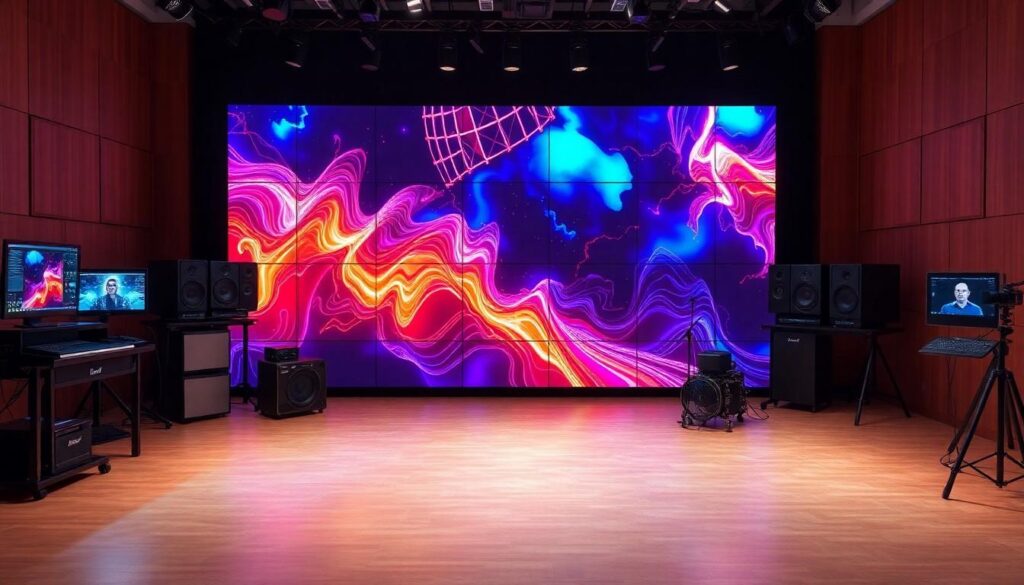
Audio and video technology has undergone significant transformations throughout its history. Changes in these technologies have shaped how people experience and engage with art.
Historical Development
Early audio and video technology began with the invention of the phonograph in 1877 and the motion picture camera in the late 1890s. Innovations in these areas gradually led to improved sound quality and more complex visual storytelling techniques. The introduction of television in the 1920s marked a major milestone, allowing for the widespread dissemination of audio and visual content. By the 1980s, the development of digital technology revolutionized how audio and video were recorded, edited, and distributed. The internet’s rise in the late 1990s further accelerated this evolution, enabling instant access to audio and video content around the globe.
Impact on the Arts
Audio and video technology significantly impacts various forms of artistic expression. Artists now leverage these tools to create immersive experiences and innovative works that engage their audiences. Filmmakers benefit from advanced editing software and digital effects, enhancing their storytelling capabilities. Musicians utilize digital platforms for production and distribution, reaching listeners directly. Visual artists embrace new mediums, such as video installations, which blend traditional practices with cutting-edge technology. As a result, collaboration between artists and technologists has become commonplace, leading to dynamic forms of creative expression that redefine the concept of art itself. These advancements not only enrich artistic practices but also shape cultural narratives, influencing how art is perceived and appreciated.
Current Trends in Communication Technology
Communication technology continues evolving, shaping how people interact. Significant innovations in digital media and social media’s influence create notable impacts on creative industries.
Digital Media Innovations
Smartphones and tablets facilitate access to diverse applications. Interactive content now allows users to engage with media in unprecedented ways. Platforms like TikTok and YouTube leverage video formats for storytelling, enabling creators to share their work widely. Artificial intelligence enhances content production, optimizing audio and video quality. Virtual reality experiences immerse users, transforming traditional storytelling into dynamic narratives. Additionally, streaming services provide access to a vast array of content, prioritizing viewer preferences and interests.
Social Media Influences
Social media platforms serve as powerful tools for communication and marketing. Creatives use Instagram and Twitter to showcase their portfolios and connect with audiences. Influencer culture has emerged, driving trends in visual and auditory mediums. Communities formed around shared interests foster collaboration, enabling artists and technologists to combine strengths. Engagement metrics play a crucial role in shaping content strategies, guiding creators on audience preferences. User-generated content fosters authenticity, emphasizing the importance of direct connections among creators, audiences, and brands.
The Role of Arts in Communication
Arts play a critical role in enhancing communication, shaping how individuals convey messages and connect with audiences. Creative expression transcends traditional verbal dialogue, employing various mediums to engage, inform, and inspire.
Visual Arts and Expression
Visual arts significantly enhance communication by using imagery to express complex ideas and emotions. Paintings, sculptures, and digital designs evoke feelings that words sometimes cannot capture. Artists can tell intricate stories through color, form, and texture, inviting viewers to interpret meanings uniquely. Infographics and visual storytelling leverage these creative elements, presenting data in engaging formats that stimulate understanding. Gallery exhibitions and art installations also facilitate dialogue, encouraging discussions about themes like culture, identity, and social issues.
Performing Arts in the Digital Age
Performing arts redefine the landscape of communication in today’s digital age. Live performances, such as theater, dance, and music, leverage technology to reach broader audiences beyond geographic limitations. Streaming platforms allow global access to performances, forging connections between artists and viewers worldwide. Interactive elements, such as audience participation through apps or live chat, create immersive experiences that enhance engagement. Social media amplifies these efforts, enabling artists to share behind-the-scenes content, fostering deeper connections with followers. Consequently, performing arts continue to evolve, blending tradition with innovation to captivate and inspire diverse audiences.
Challenges and Opportunities
Arts, audio/video technology, and communications face numerous challenges and opportunities in today’s landscape. Addressing these factors becomes essential for fostering creative growth and ensuring equitable access.
Accessibility and Inclusion
Developing accessible content in arts and technology enhances user experiences for diverse audiences. Increased awareness of varied abilities has prompted many creators to focus on inclusive design. Implementing audio descriptions, captions, and adaptable formats ensures broader access to artistic works. Many organizations prioritize outreach initiatives to engage underrepresented communities, fostering a more diverse creative ecosystem. Training programs for artists on inclusive practices support talent development. The aim aligns with enhancing societal participation in cultural experiences.
Ethical Considerations
Navigating ethical challenges in creative fields presents unique opportunities for developers. Balancing innovation with responsible content creation is vital for audience trust. Many professionals grapple with issues like copyright, digital ownership, and data privacy. Understanding ethical storytelling promotes authenticity in artistic expression. Artists now consider the social implications of their work carefully, fostering dialogues around representation and identity. Implementing transparent practices strengthens community bonds and allows meaningful conversations to flourish.
The fusion of arts, audio/video technology, and communications is revolutionizing how individuals connect and express themselves. By embracing innovative tools and platforms, creators are crafting experiences that resonate deeply with audiences. This dynamic interplay not only enhances artistic expression but also fosters a sense of community among diverse groups.
As technology continues to evolve, the possibilities for creative collaboration expand. Artists and technologists are redefining boundaries and shaping cultural narratives in ways that were once unimaginable. The future promises a vibrant landscape where creativity and technology intertwine, paving the way for new forms of storytelling and engagement.

