

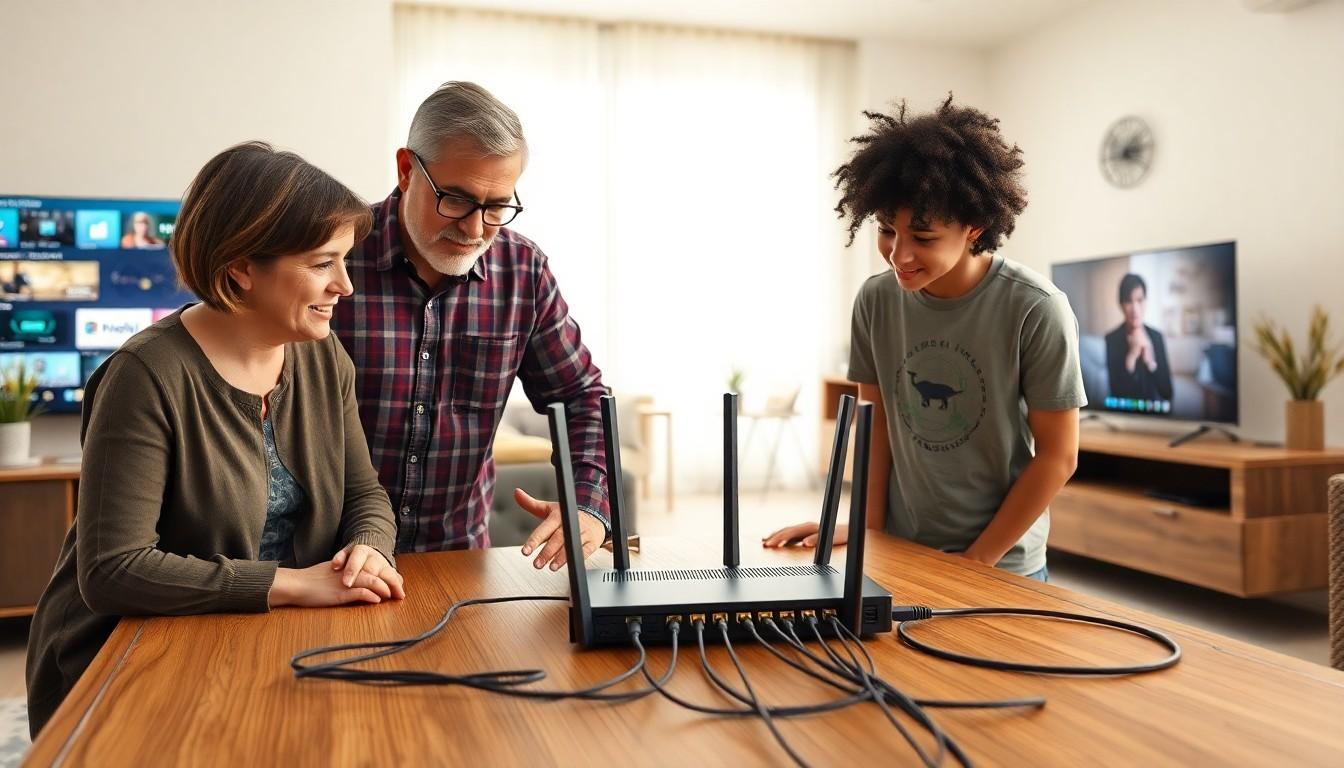
In today’s digital age, a reliable home network isn’t just a luxury; it’s a necessity. Imagine a world where buffering videos and dropped connections are relics of the past—sounds dreamy, right? With the right home networking service, that dream can become a reality.
Overview of Home Networking Service
Home networking service provides essential connectivity for smart devices, computers, and entertainment systems. This service ensures seamless access to the internet, enabling users to stream, browse, and communicate without interruptions. Reliability in connectivity is crucial; hence, efficient home networks offer high-speed internet with minimal latency.
Numerous components make up an effective home network. Routers facilitate wireless connections, ensuring devices like smartphones and tablets can access the internet. Modems connect the home network to the internet service provider, bridging the gap between the outside world and the devices inside the home.
Installation often requires professional help, particularly for complex setups involving multiple devices. Many service providers offer assistance, ensuring optimal performance and security for home networks. Security measures protect personal information, employing firewalls and encryption technologies to safeguard data.
Bandwidth is another critical factor. Higher bandwidth allows multiple devices to utilize the internet simultaneously without slowing down the connection. Homes with smart technology benefit immensely, as increased demand can strain lower bandwidth connections.
Support is available for troubleshooting issues and maintaining network performance. Many companies offer 24/7 customer service to address connectivity problems promptly. Quick resolutions can enhance user experience, keeping a household running smoothly.
Effective home networking service transforms daily operations, creating a supportive environment for modern technology demands. Prioritizing reliable connectivity guarantees that households operate efficiently in a digitally connected world.
Benefits of Home Networking Services

Home networking services provide crucial advantages for modern households. These services enhance connectivity and security, making daily digital tasks more efficient.
Improved Connectivity
Reliable home networking services ensure seamless connections among devices. Users experience high-speed internet for streaming, gaming, and browsing. Multiple devices can operate simultaneously without lag. Homes benefit from enhanced bandwidth, increasing productivity for remote work and online learning. From smart appliances to entertainment systems, everything connects easily, transforming daily routines. Customers often rely on professional installation for optimized setups, ensuring peak performance across all devices.
Enhanced Security
Home networking services significantly boost security for personal data. With advanced firewalls and encryption protocols, networks protect against cyber threats. Users feel more secure while conducting online banking or shopping. Regular updates improve the network’s defense against potential vulnerabilities. Additionally, expert support helps troubleshoot security issues promptly. Safe home networks build trust and confidence among family members. They create a layer of protection necessary for today’s interconnected lifestyle.
Types of Home Networking Services
Home networking services offer diverse solutions to meet connectivity needs. Two popular types include Wi-Fi mesh systems and Ethernet solutions.
Wi-Fi Mesh Systems
Wi-Fi mesh systems deliver comprehensive coverage throughout the home. These systems utilize multiple nodes, ensuring a consistent signal in every corner. Many households benefit from this technology, especially those with larger spaces or multiple floors. These systems automatically adjust to network demands, which maintains strong connections for smartphones, tablets, and smart TVs. Setting up a mesh network often requires minimal technical knowledge, making it user-friendly. As a result, families enjoy seamless streaming, gaming, and remote work experiences without dead zones.
Ethernet Solutions
Ethernet solutions provide reliable wired connections for high-demand devices. These connections reduce latency, making them ideal for online gaming and video conferencing. Homeowners often choose Ethernet for its stability and speed, especially when multiple devices are connected simultaneously. Cables run directly from the router to the devices, ensuring uninterrupted performance. Professionals typically install Ethernet solutions to guarantee optimal placements for routers and ports. This setup enhances overall network efficiency, accommodating heavy internet use with ease.
Choosing the Right Home Networking Service
Selecting the right home networking service involves careful consideration of various factors. Assessing specific needs enables individuals to identify the optimal service for their household.
Assessing Your Needs
Prioritize the devices requiring connection. Homeowners with multiple smart devices benefit from higher bandwidth solutions. Consider activities like streaming or gaming, as these demand more from the network. Evaluate the size of the home; larger spaces may necessitate Wi-Fi mesh systems for better coverage. Additionally, think about future needs; opting for scalable solutions prepares families for potential expansion of devices or capabilities later.
Budget Considerations
Budget plays a crucial role in choosing a home networking service. Determine how much to allocate for initial setup and ongoing costs. Professional installation might incur additional fees but enhances overall performance. Compare options between Wi-Fi mesh systems and Ethernet solutions; lightweight systems may save on costs while still providing adequate coverage. Assess monthly subscription fees as well, since these can vary significantly among providers. Factor in potential upgrades for enhanced speed or security, as investing now may prevent higher costs down the line.
Installation and Setup Process
The installation and setup process for home networking services involves several key steps. First, identifying the right equipment is essential. Select a router or modem that meets the household’s specific bandwidth and coverage needs.
Next, positioning the router optimally helps enhance signal strength. Place it in a central location to minimize dead zones and maximize connectivity. After setting the device, connect it to the internet service provider’s cable or phone line securely.
Configuring the network settings follows. Access the router’s dashboard via a web browser and customize the network name and password. This step ensures that unauthorized users can’t access the network and enhances security.
Testing the connection can identify any issues early. Using a device to connect wirelessly checks that signal strength is adequate throughout the home. If any areas show weak signals, adjusting the router’s placement may resolve the problem.
For larger homes, adding Wi-Fi mesh nodes extends coverage. These nodes work together to eliminate dead zones and provide consistent connectivity. Installing these nodes involves additional placement considerations for optimal performance.
Professional installation is often recommended for complex setups. Technicians can ensure that devices are correctly installed and optimized for peak performance. This approach reduces potential issues and enhances overall network reliability.
Providing ongoing maintenance is vital for keeping the network functioning smoothly. Regular updates to the router’s firmware protect against security vulnerabilities. Utilizing customer support for troubleshooting further enhances network efficiency.
A reliable home networking service is essential for navigating today’s digital landscape. By investing in quality solutions homeowners can enjoy uninterrupted streaming gaming and browsing experiences. With the right setup families can connect multiple devices seamlessly while ensuring their personal information remains secure.
Choosing the appropriate service tailored to specific needs is crucial. Whether opting for Wi-Fi mesh systems or Ethernet solutions understanding the unique requirements of a household leads to optimal performance. Professional installation and ongoing support further enhance network reliability and security.
Ultimately a robust home network not only improves daily operations but also fosters a connected environment. As technology continues to evolve having an effective home networking service will remain a vital component of modern living.

